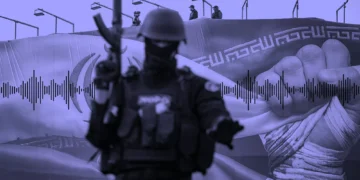
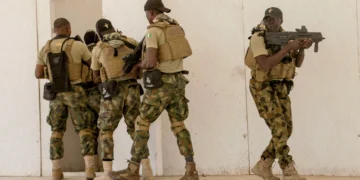
As tensions continue to rise between the United States and Venezuela, recent military documents have shed light on a possible long-term plan for increased U.S. presence in the Caribbean. These documents reveal a potential strategy to maintain a sustained buildup of U.S. troops in the region until 2028.
The documents, obtained by The Intercept, detail a proposed plan to station troops in various Caribbean countries, including the Dominican Republic, Haiti, and the Bahamas. This plan, which has been in the works for years, is seen as an effort by the U.S. to counter any potential threats in the region, particularly from Venezuela.
With rumors of a possible U.S. war on Venezuela constantly swirling, these documents provide a deeper understanding of the U.S. military’s intentions in the Caribbean. The potential long-term presence of U.S. troops in the region raises questions about the motives behind this buildup and the impact it may have on the countries involved.
One of the main concerns is the impact this could have on the sovereignty of these Caribbean countries. As the U.S. continues to increase its presence in the region, it is essential that the sovereignty of these nations is respected and their autonomy is not compromised.
Another concern is the potential for increased military intervention in the region. While the U.S. has stated that its goal is to maintain stability and protect its interests, there are fears that these military plans could be used as a justification for military intervention, similar to what we have seen in the past with other countries.
The timing of these plans is also significant. With Venezuela facing political and economic turmoil, there are worries that these documents indicate a potential escalation of tensions between the U.S. and the South American nation. This could further complicate the situation and potentially lead to a military conflict, something that must be avoided at all costs.
Furthermore, the potential economic impact of these plans cannot be ignored. The presence of large numbers of U.S. troops, along with their families and support staff, will undoubtedly have a significant impact on the economies of these Caribbean countries. Whether this impact will be positive or negative remains to be seen, but it must be carefully considered and managed.
Despite these concerns, there are also potential benefits to having a stronger U.S. military presence in the Caribbean. One of the main advantages is the potential for increased security and stability in the region. With the U.S. taking a more active role in maintaining peace and security, it could serve as a deterrent to potential adversaries and help prevent conflicts from arising.
Another potential benefit is the opportunity for increased cooperation and partnership between the U.S. and Caribbean nations. By working closely together, these countries could address common challenges and enhance their capabilities to respond to potential threats.
It is also important to note that these military plans are not set in stone and are subject to change. As tensions in the region continue to evolve, so too will the U.S. military’s approach. It is imperative that these plans are constantly re-evaluated and adapted to ensure they are in the best interests of all parties involved.
In addition, the U.S. must remain transparent and open in its communication with the Caribbean countries about these military plans. It is vital to establish and maintain trust and cooperation with these nations, rather than imposing decisions without their input or consent.
In conclusion, while the revelation of these military documents may have sparked concerns and speculation, it is essential that we approach this issue with caution and thoughtfulness. The U.S. must carefully consider the potential consequences and benefits of its plans to maintain a sustained buildup of troops in the Caribbean until 2028. It is crucial that the sovereignty of these nations is respected, and that any actions taken are in the best interests of all parties involved. As we continue to monitor the situation, it is our hope that peaceful solutions can be found for the challenges facing the region.