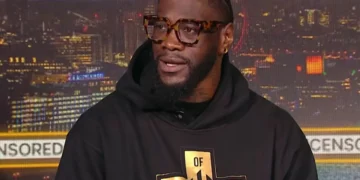
In a recent interview, the talented and versatile actor Leonardo DiCaprio made a thought-provoking statement about the nature of art. He said, “I think anything that is going to be authentically thought of as art has to come from the human being.” This statement holds a lot of weight and makes one ponder about the role of technology and artificial intelligence in the world of art.
DiCaprio’s statement came in the context of AI-generated music, which has been gaining popularity in recent years. While some may argue that AI-generated music is a form of art, DiCaprio believes that it lacks the authenticity and emotion that comes from a human being. He further adds, “even ‘brilliant’ AI music ‘dissipates into the ether of other internet junk’”. This statement reflects his belief that true art is created from the heart and soul of a human being, and it cannot be replicated by machines.
In today’s world, technology has advanced to such an extent that AI can now create music, paintings, and even write articles. While this is a remarkable feat, it raises a question about the essence of art. Is it just about creating something aesthetically pleasing, or is there more to it? DiCaprio’s statement suggests that true art is something that comes from within, and it cannot be replicated by machines or algorithms.
Art is a form of expression that reflects the human experience and emotions. It is a medium through which we can connect with our inner selves and understand the world around us. The process of creating art involves tapping into our emotions, thoughts, and experiences, which is something that AI lacks. While AI may be able to produce something that resembles art, it lacks the depth and authenticity that comes from a human being.
Moreover, art is not just about the final product; it is also about the process. The journey of creating something, the struggle, the emotions involved, all add to the value of the art. This is something that AI cannot replicate, as it lacks the ability to feel and experience emotions. As DiCaprio rightly points out, “the human experience, the soul, the heart, and the spirit is something that cannot be replicated.”
Another aspect to consider is the impact of AI-generated art on the art industry. With the rise of AI, there is a fear that it may replace human artists and devalue their work. However, DiCaprio’s statement highlights the importance of human creativity and its irreplaceable value. Art is not just about the end product; it is about the human connection, the stories behind the art, and the emotions it evokes. These are aspects that AI cannot replicate, and therefore, it cannot replace human artists.
In a world where technology is advancing at a rapid pace, it is essential to reflect on the role of art and the impact of AI on it. While AI may be able to produce something that resembles art, it lacks the essence and authenticity that comes from a human being. As DiCaprio said, “anything that is going to be authentically thought of as art has to come from the human being.” This statement serves as a reminder that art is an integral part of the human experience, and it cannot be replaced by machines.
In conclusion, DiCaprio’s statement sheds light on the true nature of art and the role of human creativity in it. While AI may be able to produce something that looks like art, it lacks the essence and authenticity that comes from a human being. As technology continues to advance, it is crucial to recognize and appreciate the value of human creativity and the importance of preserving it in the world of art. True art will always come from the human being, and it will continue to inspire and connect people for generations to come.