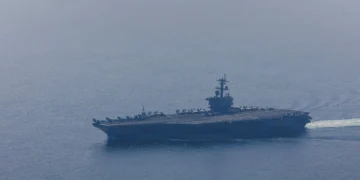
As the world watches with concern, military conflicts continue to ravage the Middle East with alarming frequency and intensity. The ongoing armed attacks, which began on February 28, have left a trail of destruction, displacement, and human suffering. In the midst of this chaos, the United Nations has pledged to ramp up its humanitarian response on the ground, providing much-needed aid and support to the affected communities.
The recent escalation of violence in the Middle East can be traced back to the airstrikes launched by the United States and Israel on Iran. In response, Iran retaliated with its own airstrikes on Israel and Arab nations. This has led to a dangerous cycle of violence, with innocent civilians caught in the crossfire. The situation on the ground is dire, with reports of widespread destruction of homes, schools, hospitals, and vital infrastructure.
The United Nations, recognizing the urgent need for humanitarian assistance, has taken swift action to address the crisis. In a statement, Secretary-General António Guterres expressed deep concern for the plight of the civilian population and called for an immediate cessation of hostilities. He also reaffirmed the UN’s commitment to providing aid and support to those affected by the conflict.
The UN’s humanitarian response on the ground has been swift and comprehensive. Humanitarian agencies have been working tirelessly to provide essential supplies such as food, water, shelter, and medical aid to those in need. They are also working to ensure the protection and safety of civilians, especially women and children, who are often the most vulnerable in times of conflict.
One of the major challenges facing the humanitarian response in the Middle East is the limited access to affected areas due to the ongoing hostilities. However, the UN and its partners are determined to overcome these obstacles and reach those in need. They are working closely with local authorities and organizations to ensure that aid reaches the most affected areas and communities.
The UN’s efforts have received widespread support from the international community. Many countries have pledged financial and material assistance to help alleviate the suffering of those affected by the conflict. This solidarity and cooperation are crucial in ensuring that the UN’s humanitarian response is effective and sustainable.
But the UN’s response goes beyond providing immediate aid and relief. The organization is also working towards finding a lasting solution to the conflict in the Middle East. The Secretary-General has called for all parties involved to engage in dialogue and find a peaceful resolution to the crisis. He has also urged the international community to support these efforts and work towards de-escalating tensions in the region.
It is heartening to see the UN taking such proactive measures to address the humanitarian crisis in the Middle East. The organization’s commitment to saving lives and promoting peace is truly commendable. However, much more needs to be done to bring an end to the suffering of innocent civilians in the region.
As individuals, we can also play a crucial role in supporting the UN’s humanitarian response. We can contribute to relief efforts through donations or volunteering with organizations working on the ground. We can also raise awareness about the situation in the Middle East and call for an end to the violence.
In these trying times, it is important to remember that we are all part of the global community, and it is our responsibility to support and stand in solidarity with those in need. Let us continue to support the UN’s efforts and work towards a peaceful and sustainable future for all in the Middle East. Together, we can make a difference and bring hope to those affected by conflict.