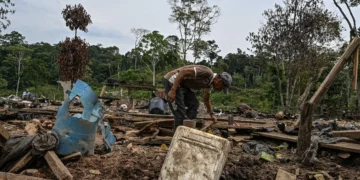
Sindh People’s Housing for Flood Affectees (SPHF) is a non-profit organization that has been working tirelessly to provide long-term security and financial inclusion to the most vulnerable communities affected by climate change in Sindh, Pakistan. Led by its CEO, Khalid Mehmood Shaikh, SPHF has been at the forefront of embedding justice and resilience into the recovery process for these communities, particularly for women-headed households, widows, and elderly women.
The devastating impact of climate change has been felt by many communities in Sindh, especially by those living in low-lying areas that are prone to flooding. The frequent floods have not only caused loss of life and displacement but have also destroyed homes and livelihoods, leaving many vulnerable families struggling to survive. In such dire circumstances, women, who are already marginalized in these communities, bear the brunt of the consequences.
Recognizing the need to address the plight of these vulnerable communities, SPHF was established with a mission to provide them with long-term security and financial inclusion. The organization’s approach is not just limited to providing temporary relief, but it focuses on building sustainable solutions for these communities to help them become more resilient in the face of future disasters.
One of the key initiatives of SPHF is the provision of housing for flood affectees. The organization has built homes for thousands of families who were left homeless due to floods. These homes are designed to withstand extreme weather conditions and are equipped with basic amenities such as clean water and sanitation facilities. This not only provides a safe and secure shelter for these families but also gives them a sense of ownership and stability.
Moreover, SPHF has also prioritized the needs of women in these communities. Women-headed households, widows, and elderly women are often the most vulnerable in times of crisis, and SPHF has taken special measures to ensure their inclusion and empowerment. The organization has provided training and employment opportunities to women, enabling them to become financially independent. This not only helps them provide for their families but also gives them a sense of dignity and self-worth.
In addition to housing and economic empowerment, SPHF has also implemented various initiatives to promote justice and resilience in these communities. The organization has set up legal aid clinics to provide free legal assistance to women in cases of domestic violence and property disputes. This has not only helped women access justice but has also raised awareness about their rights and empowered them to stand up against any form of injustice.
SPHF has also focused on building the resilience of these communities through disaster risk reduction and preparedness programs. The organization has conducted training sessions to educate community members on how to prepare for and respond to disasters effectively. This has not only reduced the impact of floods on these communities but has also given them a sense of control over their future.
The efforts of SPHF have not gone unnoticed. The organization has received recognition and support from various national and international organizations, including the United Nations. With its innovative and sustainable approach, SPHF has become a role model for other organizations working in the field of disaster management and resilience.
The impact of SPHF’s work goes beyond providing shelter and economic opportunities. It has brought about a positive change in the lives of the affected communities, especially for women. By empowering women and promoting justice and resilience, SPHF has not only helped these communities recover from the devastating effects of climate change but has also given them the tools to thrive in the face of future challenges.
In conclusion, Sindh People’s Housing for Flood Affectees, under the leadership of CEO Khalid Mehmood Shaikh, has been a beacon of hope for the most vulnerable communities in Sindh. Through its holistic approach, the organization has not only provided long-term security and financial inclusion but has also embedded justice and resilience into the recovery process. SPHF’s work is a testament to the power of community-led initiatives in creating a more just and resilient society.