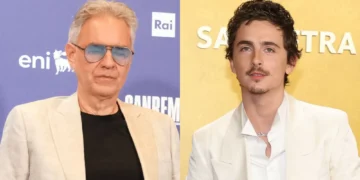
Matt Damon, a renowned actor in Hollywood, recently made a statement that has sparked a lot of controversy. In an interview with NME, he expressed his thoughts on the current trend of ‘cancel culture’ and how it affects celebrities. His words were met with mixed reactions, with some supporting his views while others criticized him for being out of touch with reality.
Damon’s statement was in response to a question about the backlash faced by actors who have been accused of inappropriate behavior or making controversial comments. He said, “The thing about getting kind of excoriated, publicly like that, it just never ends. It just will follow you to the grave.” He also added, “Some actors would find going to prison preferable to being cancelled.”
His words may seem extreme, but they shed light on the harsh reality of being a public figure in today’s society. With the rise of social media, anyone can become a target of cancel culture, where people are quick to judge and condemn without giving the accused a chance to explain themselves or make amends.
Damon’s statement has struck a chord with many in the entertainment industry who have also faced the wrath of cancel culture. It has become a common occurrence for celebrities to be ‘cancelled’ for past mistakes or controversial opinions, often without any consideration for their growth and evolution as individuals.
The consequences of being ‘cancelled’ can be severe for celebrities. It not only affects their career but also their mental health and well-being. The constant scrutiny and backlash can take a toll on their personal and professional lives, leaving a lasting impact.
In the interview, Damon also mentioned that he has seen some of his colleagues go through this experience and how it has affected them. He said, “It’s a disaster. And it’s not a good place to be. I think I’d rather go to jail.”
His words may seem shocking, but they highlight the need for a more empathetic and understanding approach towards those who have made mistakes. Instead of immediately jumping to cancel someone, we should give them the opportunity to learn and grow from their mistakes. After all, we are all human, and we all make mistakes.
The concept of cancel culture has also been criticized for its lack of consistency. While some celebrities are ‘cancelled’ for their actions, others seem to get away with similar or even worse behavior. This has led to questions about the fairness and effectiveness of cancel culture in bringing about real change.
Moreover, the idea of permanently ‘cancelling’ someone goes against the very essence of humanity – forgiveness and second chances. We should not be defined by our past mistakes, but rather by how we learn from them and strive to be better individuals.
Damon’s statement has sparked an important conversation about the impact of cancel culture on celebrities and the need for a more compassionate approach. It is a reminder that we should not be so quick to judge and condemn, but instead, try to understand the complexities of each situation.
In conclusion, Matt Damon’s words may have caused controversy, but they have also shed light on a pressing issue in today’s society. The constant fear of being ‘cancelled’ can have a detrimental effect on the mental health of celebrities, and it is time to re-evaluate the effectiveness of cancel culture. Let us strive to create a more forgiving and understanding world, where we can learn from our mistakes and grow as individuals. As Damon rightly said, “It’s a disaster. And it’s not a good place to be.”