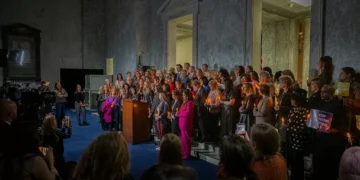
Health visitors, the unsung heroes of our healthcare system, have been on strike since February 23. These dedicated professionals, who play a crucial role in promoting and protecting the health and well-being of families and communities, have taken a bold stand to demand better working conditions and fair compensation for their invaluable services. And they plan to remain on strike until March 20, sending a strong message to the authorities that their voices will not be silenced until their demands are met.
For those unfamiliar with the term, health visitors are specialist nurses or midwives who work in the community, providing support and guidance to families with young children. They play a vital role in ensuring the health and development of children, as well as supporting parents in their parenting journey. From conducting health checks and vaccinations to offering advice on nutrition and child development, health visitors are an essential part of our healthcare system.
So why have they taken the drastic step of going on strike? The answer lies in the fact that health visitors have been facing increasing workloads and decreasing resources for years. Despite their crucial role, they have been undervalued and overworked, with many health visitors reporting being responsible for up to 1000 children at a time. This has resulted in burnout and a decline in the quality of care they are able to provide.
Moreover, health visitors have not received a pay rise in over 10 years, despite the rising cost of living. This has led to many health visitors struggling to make ends meet, with some even having to take on second jobs just to support their families. It is a sad reality that those who dedicate their lives to caring for others are not being adequately compensated for their hard work and dedication.
The strike, organized by the union Unite, has seen health visitors across the country coming together to demand change. They are calling for a 15% pay increase, which would bring their salaries in line with other healthcare professionals such as nurses and midwives. They are also demanding a reduction in their workload and an increase in resources to ensure they can provide the best possible care to families.
The response from the public has been overwhelmingly positive, with many showing their support for the striking health visitors. Parents, in particular, have expressed their gratitude for the vital role that health visitors play in their children’s lives and have joined in the call for better working conditions for these dedicated professionals.
The strike has also shed light on the importance of investing in our healthcare system, particularly in community services. Health visitors are the first line of defense in identifying and addressing health issues in children, and their role is crucial in preventing more serious health problems later in life. By supporting health visitors, we are investing in the health and well-being of our future generations.
The strike has not been without its challenges, with some families experiencing disruptions in their care. However, the health visitors have made sure that emergency services are still available, and they have been working tirelessly to ensure that vulnerable families are not left without support.
As the strike continues, the health visitors remain determined and united in their cause. They are not asking for anything unreasonable, just fair compensation and working conditions that reflect the crucial role they play in our society. It is time for the authorities to listen and take action to support these dedicated professionals who are the backbone of our healthcare system.
In conclusion, the strike by health visitors is not just about better pay and working conditions. It is about recognizing the vital role they play in our society and investing in the health and well-being of our children. As a community, we must stand with our health visitors and support them in their fight for a better future for themselves and the families they serve. Let us show our appreciation for these unsung heroes and demand that their voices are heard.