
Aircraft Vapour Trails Drive Atmospheric Warming Effects
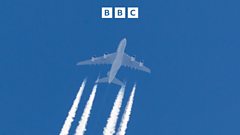
Understanding Aircraft Vapour Trails and Their Role in Atmospheric Warming
Aircraft vapour trails have emerged as a significant contributor to atmospheric warming, with scientific research increasingly demonstrating their substantial impact on global climate patterns. These condensation trails, commonly known as contrails, form when hot aircraft exhaust meets cold air at high altitudes, creating visible ice crystal formations that persist in the atmosphere for extended periods.
The Science Behind Contrails and Temperature Elevation
The phenomenon of aircraft vapour trails atmospheric warming operates through a complex mechanism involving the interaction between water vapor, ice crystals, and solar radiation. When aircraft cruise at typical altitudes between 35,000 and 42,000 feet, the engines expel hot, humid air into the surrounding atmosphere where temperatures drop to minus 40 degrees Celsius or lower. This dramatic temperature differential causes immediate condensation and the formation of visible white trails trailing behind the aircraft.
These contrails function similarly to thin clouds, trapping outgoing longwave radiation while simultaneously reflecting incoming solar radiation. This dual effect creates a net warming influence on the lower atmosphere and surface temperature of the planet. Scientists have determined that this warming effect can be particularly pronounced during nighttime flights, when the contrails prevent heat from escaping into space without the counterbalancing effect of reflected sunlight.
Quantifying the Environmental Impact
Recent atmospheric research has highlighted the scale of warming attributable to these aircraft-generated formations. Studies indicate that aircraft vapour trails contribute to warming effects that, in some regions, rival or exceed the warming caused by the carbon dioxide emissions from those same flights. The non-CO2 effects of aviation, including contrail formation, may account for up to two to three times the total warming impact of carbon dioxide alone.
Persistent Contrails and Enhanced Warming
Persistent contrails—those that remain visible for several hours or longer—have a particularly pronounced warming effect on the atmosphere. Meteorological conditions, including humidity levels and atmospheric stability, determine whether contrails persist or dissipate rapidly. Under high humidity conditions, contrails can spread into extensive cirrus cloud formations that cover substantial portions of the sky, amplifying their warming contribution.
The Broader Context of Aviation and Climate Change
Aviation represents one of the fastest-growing sources of anthropogenic greenhouse gas emissions. Beyond aircraft vapour trails atmospheric warming effects, the industry contributes through direct carbon dioxide emissions, nitrogen oxide production, and other complex chemical interactions within the upper atmosphere. The total climate impact of aviation extends beyond simple fuel consumption calculations.
Commercial aviation currently accounts for approximately two to three percent of global carbon dioxide emissions, a figure projected to increase significantly as air travel expands worldwide. The additional warming from contrails and related non-CO2 effects effectively multiplies the climate impact of each flight, making the complete environmental footprint of aviation considerably larger than CO2 emissions alone would suggest.
Exploring Solutions and Mitigation Strategies
The aviation industry and environmental researchers are investigating multiple approaches to reduce warming from aircraft vapour trails. Flight path optimization represents one promising strategy, with studies suggesting that routing aircraft to avoid forming persistent contrails could significantly reduce warming without substantial operational disruptions or fuel penalties.
Technological and Operational Innovations
Aircraft manufacturers are developing cleaner fuel technologies and engine designs that produce less humid exhaust, potentially reducing contrail formation. Sustainable aviation fuels, while primarily beneficial for reducing carbon emissions, may also contribute marginal improvements in contrail characteristics. Additionally, air traffic management systems could be enhanced to coordinate flight altitudes and timing to minimize net warming effects.
Policy and Regulatory Approaches
Several European nations and research organizations have proposed incorporating contrail effects into aviation carbon pricing mechanisms. These regulatory frameworks would incentivize airlines to adopt practices minimizing aircraft vapour trails formation, creating economic motivation for climate-conscious flight operations.
Future Research and Climate Implications
Ongoing scientific investigations continue refining our understanding of aircraft vapour trails atmospheric warming mechanisms. Satellite observations, ground-based measurements, and advanced climate modeling are providing increasingly detailed insights into how contrail characteristics vary across different atmospheric conditions and geographic regions.
The cumulative warming effect of aviation, when comprehensive accounting includes contrail impacts, positions the aviation sector as a significant contributor to climate change. As global air travel continues expanding, addressing these effects becomes increasingly important for achieving international climate targets and limiting atmospheric warming to sustainable levels.


