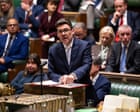
Andy Burnham Learns Key Lesson As Starmer Plans Exit Strategy

A Defining Moment in Progressive Politics
The recent electoral success of Andy Burnham in the Makerfield byelection represents a significant turning point for the Labour movement, particularly as discussions intensify regarding potential changes in party leadership. Andy Burnham's dominant performance has reignited conversations about the future trajectory of British progressive politics and what lessons emerging leaders must absorb from current governmental challenges.
This remarkable victory arrived at a time when optimism remains scarce within the broader political landscape. The Makerfield MP's overwhelming win transcended typical expectations, delivering a resounding affirmation of voter support that stood in stark contrast to the momentum generated by opposing factions. Such rare moments of genuine political triumph deserve careful examination, especially considering the lessons they hold for ambitious politicians eyeing higher office.
Understanding Electoral Victory in Challenging Times
The comprehensive nature of Burnham's Makerfield triumph cannot be understated. His campaign successfully countered the advanced organization and substantial financial resources deployed by the Reform movement, which mobilized considerable efforts to challenge traditional Labour strongholds. The contrast between the two campaigns illustrated fundamental differences in political approach and community engagement.
Reform's campaign strategy, despite benefiting from significant external funding, failed to resonate with the electorate in meaningful ways. The movement's political messaging and candidate selection process continued patterns that observers have noted with concern, particularly regarding the tone and substance of public discourse. For political analysts, Burnham's performance demonstrated the enduring importance of direct constituent engagement and issue-focused campaigning.
Critical Lessons for Potential Future Leadership
If Andy Burnham emerges as a candidate for higher national office, particularly as party leadership transitions occur, he must immediately establish an unmistakable identity around tangible policy solutions. The trajectory of recent British politics teaches an essential lesson: first impressions prove remarkably durable in political careers. Initial policy positions and governing philosophies establish frameworks through which voters continue evaluating leaders throughout their tenures.
The experience of outgoing leadership provides instructive context. A newly elevated leader requires immediate, memorable, and substantive commitments addressing the bread-and-butter concerns occupying British households. Cost of living challenges represent the defining domestic issue shaping public sentiment and electoral behavior. Any credible leadership candidate must present coherent, implementable strategies demonstrating genuine understanding of household economic pressures.
The Cost of Living Imperative
Energy expenses, housing affordability, food security, and transportation costs collectively define contemporary British economic anxiety. These issues transcend abstract policy discussions; they determine whether families heat homes adequately during winter months, whether children attend school well-nourished, and whether workers afford reliable transportation to employment. Political leaders who grasp this reality and articulate specific remedies establish powerful connections with voters.
Burnham's record addressing comparable challenges in regional governance offers reference points for evaluating his suitability for national leadership. His administrative experience navigating economic pressures affecting northern constituencies provides substantive evidence regarding policy priorities and problem-solving approaches. However, national office demands demonstrating how regional experience translates into coherent, scalable national strategies.
Learning from Historical Patterns
British political history illustrates recurring patterns wherein leaders failing to establish clear identities around pressing economic concerns gradually lose public confidence. Conversely, politicians who maintain consistent focus on household economic security and articulate practical solutions sustain voter support across multiple electoral cycles. The distinction between aspirational rhetoric and implementable policy represents the decisive factor separating successful leaders from those experiencing diminishing authority.
The timing of leadership transitions matters considerably. Newly elevated leaders enjoy honeymoon periods during which public patience permits policy development and strategic implementation. However, this window remains finite. Political capital depreciates rapidly absent demonstrable progress addressing voter priorities. Squandering initial goodwill through inaction or misaligned priorities creates deficits proving remarkably difficult to overcome subsequently.
Progressive Politics and Public Trust
The contemporary landscape presents particular challenges for progressive political movements navigating polarized environments. Andy Burnham's Makerfield victory demonstrated voters' continued receptiveness to traditional Labour messaging when presented authentically and connected to genuine constituency advocacy. This outcome contradicts narratives suggesting fundamental collapse in progressive electoral viability.
However, electoral victories require transformation into sustained governance improvements. Voters distinguish between campaign commitments and actual delivery records. Leaders who promise action addressing cost of living pressures must demonstrate tangible results through actual policy implementation, not merely aspirational statements. This reality explains why first impressions prove so consequential—they establish baseline expectations against which subsequent performance is continuously evaluated.
Forward Considerations
As discussions regarding Andy Burnham and potential party leadership transitions continue developing, observers should recognize the significance of his Makerfield performance while understanding the distinct demands of elevated office. Regional success, however impressive, represents necessary but insufficient preparation for national leadership. The transition requires demonstrating ability to synthesize complex national challenges into coherent policy frameworks delivering measurable improvements for ordinary households.
The essential takeaway for any ambitious politician contemplating leadership roles involves recognizing that sustainable political success requires establishing immediate, credible commitments addressing pressing public concerns. Andy Burnham's impressive electoral achievement provides foundation stones for future advancement, but only if coupled with sophisticated policy development and unwavering focus on voter priorities that define contemporary British political consciousness.