
Artificial Ice Pyramids: India's Mountain Villages' Solution for Water Security
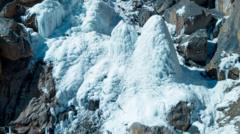
Artificial Ice Pyramids: A Creative Response to Water Scarcity
High in the Himalayan mountains, communities across India's remote villages have developed an ingenious approach to combat water shortage through artificial ice pyramids. This remarkable technique represents a breakthrough strategy for ensuring adequate water supply during critical spring planting seasons when natural glaciers have receded due to climate change.
The construction of artificial ice pyramids marks a significant departure from traditional water management practices in mountainous regions. These structures are engineered specifically to address the seasonal water deficit that threatens agricultural productivity across vulnerable Himalayan settlements.
How Artificial Ice Pyramids Function
The technology behind artificial ice pyramids operates on a straightforward yet effective principle. During winter months when temperatures plummet, communities channel water from natural sources into specially designed channels that allow it to freeze in pyramid-shaped formations. These frozen structures are strategically positioned to minimize direct sunlight exposure and maximize insulation from warmer air currents.
Engineering and Design Features
Each artificial ice pyramid is constructed with precision to optimize its preservation throughout winter and gradual melting during spring months. The pyramidal shape increases surface area relative to volume, while specific positioning protects the ice from accelerated thaw. Local engineers have refined designs based on decades of accumulated knowledge about regional climate patterns and seasonal variations.
Water Security for Agricultural Communities
The primary purpose of artificial ice pyramids in India's mountain villages centers on agricultural sustainability. As natural glaciers continue retreating at alarming rates, the spring water supply that traditionally sustained crop irrigation has become increasingly unreliable. Artificial ice pyramids provide a predictable, manageable water source precisely when farmers need it most for planting.
During spring months, as temperatures rise and these ice structures melt, they release water gradually into irrigation channels that distribute moisture across terraced fields. This controlled release ensures that water reaches crops at optimal times, improving yield consistency and reducing agricultural losses caused by unpredictable water availability.
Community Implementation and Local Adaptation
Village communities have taken charge of artificial ice pyramid construction and maintenance, developing local expertise that adapts the technology to specific regional conditions. Different Himalayan areas experience varying climate patterns, requiring customized approaches to pyramid sizing, positioning, and water source management.
The successful implementation of artificial ice pyramids demonstrates how traditional ecological knowledge combines with innovative thinking to address contemporary climate challenges. Residents invest collective labor in building these structures each winter, creating community bonds while securing their agricultural future.
Environmental and Climatic Context
The development of artificial ice pyramids responds directly to accelerating glacier retreat across the Himalayan range. Climate scientists report that many glaciers feeding mountain villages have diminished substantially over recent decades, reducing reliable water sources that communities depended upon for generations. This environmental shift forced innovation in water preservation and management.
The artificial ice pyramid approach offers environmental advantages compared to alternative water management solutions. It harnesses natural freezing processes without requiring energy-intensive infrastructure or chemical treatments, making it sustainable for remote communities with limited resources.
Impact on Rural Livelihoods
For mountain villages dependent primarily on agriculture, artificial ice pyramids represent far more than a technical solution—they safeguard economic survival and food security. Farmers who once risked crop failure due to uncertain water availability can now plan cultivation with greater confidence, improving overall agricultural productivity and household income stability.
The technology has created ancillary benefits including enhanced community cooperation, preservation of traditional farming practices, and reduced migration from rural areas as agricultural viability improves. Younger generations face brighter economic prospects when agricultural productivity remains stable.
Scaling and Future Expansion
As awareness of artificial ice pyramid success spreads across Himalayan regions, other villages have begun implementing similar water conservation strategies. Government agencies and development organizations have recognized the approach's potential and begun documenting best practices to facilitate adoption in additional communities.
Researchers are studying artificial ice pyramids to understand optimization opportunities and potential improvements. Future developments may include refined construction techniques, enhanced preservation methods, and better integration with broader water management infrastructure serving mountain communities.
Conclusion
Artificial ice pyramids stand as testament to human ingenuity in confronting environmental challenges. India's Himalayan villages have transformed a climate crisis into an opportunity for innovation, creating sustainable solutions that protect both agricultural heritage and future food security. This approach offers valuable lessons for mountain communities worldwide facing similar water scarcity pressures.


