Birmingham Council Wins Interim Ban on Union Jack Flags
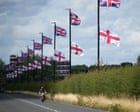
High Court Injunction Against Flag Placement Campaign
An interim ban union jacks on lamp-posts has been granted by Birmingham's High Court following legal proceedings brought by the local authority. Judge Emma Kelly issued the temporary injunction order against the campaign group Raise the Colours, prohibiting the placement of flags on council-owned street furniture throughout the city without obtaining prior authorization from municipal officials.
The High Court decision represents a significant legal victory for Birmingham city council in its dispute with the activist organization that has been systematically installing patriotic symbols across public infrastructure. The interim ban union jacks ruling was delivered on Wednesday and applies to all flags, not exclusively union jack designs, thereby establishing a comprehensive prohibition on unauthorized flag displays on municipal property.
Details of the Court Order and Legal Challenge
Judge Emma Kelly's judgment establishes clear parameters for flag placement on council-owned street furniture including lamp-posts, roundabouts, and other public installations. The interim injunction explicitly requires that any organization or individual seeking to display flags on Birmingham city council property must first obtain written permission from the appropriate municipal department.
The legal challenge initiated by Birmingham city council targeted the Raise the Colours campaign group's ongoing practice of attaching union jacks to various street furniture without authorization. This dispute emerged from broader concerns regarding the modification of public property and the unauthorized use of council-owned infrastructure for campaign purposes. The campaign group had placed multiple flags on lamp-posts and roundabouts throughout Birmingham's urban landscape.
Campaign Group Raise the Colours Activities
Raise the Colours operates as an activist organization focused on promoting patriotic flag displays throughout British communities. The campaign group had initiated what it characterized as a grassroots effort to increase the visibility of union jack flags in public spaces, particularly on council-owned street furniture. Their activities expanded across Birmingham, resulting in numerous flag installations on lamp-posts and roundabouts.
The group's methodology involved attaching flags directly to council property without seeking permission from local authorities. This approach generated friction with Birmingham city council, which considered the practice an unauthorized modification of municipal infrastructure. The escalating dispute eventually prompted legal intervention by the local authority.
Implications of the Interim Ban Union Jacks Decision
The interim injunction issued by the High Court establishes significant legal precedent regarding the unauthorized use of council property for campaign purposes. The ruling confirms that municipalities possess the authority to restrict flag displays on public infrastructure and that campaign organizations must obtain formal permission before installing any symbols or decorations on council-owned street furniture.
This decision extends beyond union jacks specifically, establishing a broader framework that prohibits all flags from being placed on Birmingham city council property without prior authorization. The interim nature of the injunction suggests that further legal proceedings may occur, with potential for the temporary ban to become permanent through subsequent court orders.
Council Response and Future Procedures
Birmingham city council expressed satisfaction with the High Court's decision to grant the interim ban union jacks and prevent unauthorized flag placement on municipal property. The council emphasized its commitment to maintaining the integrity of public infrastructure and ensuring that modifications to street furniture occur only through proper authorization channels.
The judgment establishes new procedural requirements for any organization wishing to display flags on council-owned street furniture. Prospective applicants must now submit formal requests through the appropriate municipal departments, allowing the council to assess proposals and determine whether they align with public policy objectives. This structured approach replaces the previous informal practice whereby campaign groups could install flags without seeking permission.
Legal Framework and Street Furniture Policy
The High Court's decision reinforces existing legal principles regarding local authority control over public property. Birmingham city council, as the owner of lamp-posts, roundabouts, and other street furniture, possesses the statutory authority to regulate how these assets are utilized. The interim injunction reflects established jurisprudence confirming that unauthorized modifications to council property constitute improper use of municipal infrastructure.
Judge Emma Kelly's order applies specifically to council-owned street furniture, thereby excluding privately-owned poles or structures from the prohibition. This distinction ensures that the interim ban union jacks ruling targets only those installations positioned on municipal property, while respecting private property rights for structures not owned by Birmingham city council.