
Bolivia's President Declares Emergency Amid Nationwide Unrest
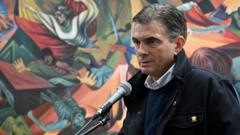
State of Emergency Declared in Bolivia Amid Escalating Crisis
Bolivia's president has declared a state of emergency as the country faces mounting pressure from sustained anti-government protests that have disrupted the nation's economy and created widespread shortages of essential supplies. This significant declaration represents a critical moment in the country's recent political history and reflects the severity of the ongoing situation affecting millions of citizens.
Background of the Protests
The state of emergency in Bolivia follows several weeks of intensified demonstrations and civil unrest organized by various opposition groups and citizen movements. These anti-government protests have grown substantially in scale and intensity, drawing participation from diverse segments of the population expressing grievances over economic policies, governance issues, and social concerns.
Impact on Essential Supplies
One of the most pressing consequences of the prolonged anti-government protests has been the severe disruption to Bolivia's supply chains. Basic goods that citizens depend upon for daily life have become increasingly difficult to obtain in many regions of the country. Markets have experienced notable emptying of shelves, with shortages affecting food items, medicines, fuel, and other necessities that form the backbone of household consumption patterns.
Economic Ramifications
The declaration of a state of emergency in Bolivia signals official recognition of the crisis's severity and indicates the government's determination to address the escalating situation through extraordinary measures. The basic goods shortage has created anxiety among the population and raised concerns about potential long-term economic consequences if supply chains remain disrupted.
Government Response Strategy
By invoking emergency powers, Bolivia's government aims to restore order and expedite the restoration of normal commercial and logistical operations. The state of emergency framework typically allows authorities to implement temporary measures to address critical shortages and maintain public stability during periods of significant social disruption.
Broader Political Context
These recent developments occur within a broader context of political tension in Bolivia, a nation with a complex history of civil unrest and governance challenges. The anti-government protests reflect underlying discontent that has accumulated over time, suggesting deep-rooted concerns requiring comprehensive policy responses beyond immediate emergency interventions.
Social and Humanitarian Concerns
The shortage of basic goods affects vulnerable populations most severely, including low-income families, elderly citizens, and communities with limited access to alternative supply sources. Healthcare systems face particular strain due to medicine shortages, while schools and public institutions grapple with resource constraints during the crisis period.
International Attention
The declaration of state of emergency in Bolivia has drawn international attention, with neighboring countries and global observers monitoring developments closely. The situation highlights ongoing challenges in Latin American governance and the complex dynamics between populist movements and institutional stability.
Path Forward
As Bolivia navigates this critical juncture, the priority remains restoring basic goods availability while addressing the underlying grievances fueling anti-government protests. Dialogue between government officials and protest leaders will be essential for finding sustainable solutions that address both immediate humanitarian needs and longer-term political concerns affecting the nation's stability and prosperity.


