
Brook Shows Gower-Class Talent Yet Lacks Captaincy Experience
Brook's Exceptional Batting Talent
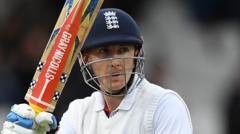
Harry Brook England batsman continues to showcase remarkable abilities that place him among the nation's most gifted cricketers. According to Jonathan Agnew's recent assessment, the young English player demonstrates a level of natural talent that draws comparisons to cricket legends David Gower and Kevin Pietersen. His technical proficiency and aggressive approach to Test cricket have captured the attention of selectors and analysts alike, establishing him as a cornerstone of England's batting lineup for years to come.
The distinctive qualities that Brook brings to the crease reflect a maturity beyond his years. His shot selection, timing, and ability to construct meaningful innings under pressure reveal a batsman who understands the nuances of Test cricket. These are the hallmarks of a player destined for international success, yet they also highlight the distinction between individual excellence and the multifaceted demands of leadership.
Headingley Performance Sets New Standards
Brook's recent performance at Headingley has become the benchmark against which his future batting approach should be measured. The Yorkshire-based batsman produced a masterclass in aggressive yet controlled cricket, demonstrating the perfect balance between ambition and responsibility. Every shot played at the historic ground reflected deliberate intent, proving that calculated aggression need not compromise cricket's fundamental principles.
Agnew emphasizes that this particular innings encapsulates the blueprint that Brook must follow throughout his Test career. The manner in which he constructed his innings, managing risk while maintaining momentum, offers a template for sustained success. Rather than relying on sporadic flashes of brilliance, this performance illustrated a batsman capable of building an innings with purposeful intent, delivering both entertainment and consistency to English cricket.
Captaincy: A Different Challenge Entirely
While Brook's batting credentials remain undeniable, Agnew's analysis reveals a critical distinction between individual player excellence and the comprehensive responsibilities of captaincy. The pressures accompanying the captain's armband extend far beyond technical batting ability. Decision-making under pressure, man-management, strategic thinking, and the ability to inspire teammates through adversity represent dimensions entirely separate from personal performance metrics.
The assessment that Brook is not yet prepared for captaincy duties does not diminish his status as a premier batsman. Rather, it reflects a realistic appraisal of the developmental timeline required for such a transition. Captaincy demands a breadth of experience and a maturity in leadership that typically requires years of navigating complex match situations and understanding the psychology of team dynamics.
Comparing Elite English Batting Talent
The parallels drawn between Brook and established legends Gower and Pietersen carry significant weight within cricket commentary. Both these predecessors earned their reputations through extraordinary batting prowess and an uncanny ability to dominate opposition bowling attacks. Gower, in particular, revolutionized perceptions of what English batsmen could achieve through elegant yet aggressive cricket. Pietersen continued this legacy with his unorthodox approach and fearless stroke-making.
Brook's alignment with these standards represents recognition that English cricket has produced another generational talent capable of competing at the highest echelons of the sport. His technical foundation appears more robust than some predecessors at comparable career stages, suggesting potential for a more sustained and consistent international career.
The Path Forward for Brook
Moving forward, the trajectory for Harry Brook England batsman should prioritize the consolidation and refinement of his batting skills. Rather than considering leadership positions prematurely, the focus must remain on accumulating Test centuries, developing greater consistency against varying bowling conditions, and establishing himself as an indispensable member of England's batting order across all formats.
Agnew's perspective suggests that the foundation laid by Brook's Headingley performance should guide his selection of strokes, his approach to challenging situations, and his overall cricket philosophy. This blueprint emphasizes intelligent aggression, technical soundness, and the ability to convert promising positions into substantial scores. Each future innings should reflect the standards demonstrated at Yorkshire's ground.
Conclusion
The assessment of Harry Brook England batsman encapsulates a balanced evaluation of modern cricket talent. His demonstrated abilities place him among the elite English batsmen of his generation, with potential for a career rivaling the greatest names in the sport's history. However, the recognition that he requires further development before assuming captaincy responsibilities remains both realistic and appropriate. By maintaining focus on batting excellence and allowing his experience to accumulate naturally, Brook can establish himself as a dominant force in Test cricket while potentially assuming leadership roles when experience and maturity align with ambition.


