Burnham Allocates £65m Aid for Drought-Affected Farmers
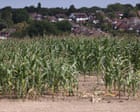
Government Delivers £65m Support Package for Drought-Affected Farmers
In a significant shift on environmental policy, Prime Minister Andy Burnham has unveiled a comprehensive £65m investment aimed at assisting drought-affected farmers across the nation. The funding initiative represents a substantial commitment to help agricultural communities navigate the escalating challenges posed by climate change and prolonged water shortages affecting crop production and livestock management.
The announcement comes after mounting pressure from Labour MPs and grassroots party members who criticized the government's previous lack of urgency in addressing the climate crisis. With wildfires ravaging multiple regions and unprecedented drought conditions impacting food producers nationwide, Burnham acknowledged that drought-affected farmers cannot shoulder the burden of climate adaptation alone.
Key Components of the Drought Relief Package
The £65m support scheme includes several targeted interventions designed to improve water accessibility and enhance long-term agricultural resilience. Among the primary measures is enhanced investment in water infrastructure, enabling farmers to better manage supply during periods of scarcity. The government will prioritize funding for farm reservoir construction, allowing agricultural operations to store water during rainy periods for use during dry seasons.
The initiative also encompasses technical assistance programs to help farming communities implement drought-resistant practices and improve water management strategies. These measures seek to build sustainable agricultural systems capable of withstanding future climate pressures while maintaining productivity and food security.
Political Context and Internal Party Pressure
The drought-affected farmers assistance package represents a notable response to criticism from within Labour's own ranks. Party MPs had publicly argued that Burnham's administration was moving too slowly on climate action despite visible environmental emergencies unfolding across Britain. The lack of immediate government response to the climate crisis had created tension between senior leadership and grassroots activists who viewed environmental protection as a core party principle.
The Prime Minister's decision to prioritize drought relief demonstrates a willingness to accelerate climate-related policy responses following sustained internal party advocacy. Burnham's statement emphasizing that farmers must not bear the risks of climate change in isolation reflects a broader philosophical shift toward shared responsibility in addressing environmental challenges.
Climate Crisis Response and Agricultural Resilience
The funding allocation signifies an expanded government commitment to climate adaptation across critical economic sectors. Agriculture, accounting for a substantial portion of Britain's food production and rural economy, requires dedicated support to maintain sustainability amid changing weather patterns. The drought-affected farmers initiative addresses immediate relief needs while building foundational infrastructure for long-term climate resilience.
By investing in water management systems and supporting farm-level adaptation measures, the government aims to ensure that agricultural productivity does not deteriorate further due to environmental pressures. The package recognizes that drought-affected farmers face compounding challenges including reduced water availability, increased operational costs, and uncertainty regarding future growing conditions.
Implementation and Expected Outcomes
The £65m funding framework will be distributed across multiple regions affected by drought conditions, with allocation mechanisms prioritizing areas experiencing the most severe water stress. Farmers will access support through application processes designed to evaluate specific needs and implementation capacity. The government has committed to streamlining approval procedures to ensure funding reaches affected operations promptly.
Expected outcomes include increased on-farm water storage capacity, improved irrigation infrastructure, and broader adoption of drought-resistant agricultural practices. These investments aim to stabilize food production levels, support rural employment, and enhance the sector's overall vulnerability to climate volatility.
Broader Environmental Policy Implications
The announcement signals a potential acceleration in government climate action across multiple sectors. Following criticism regarding delayed responses to visible environmental emergencies, the administration appears prepared to move more decisively on climate-related initiatives. The drought-affected farmers package may represent the first of several policy announcements addressing climate resilience and emergency response.
Environmental advocates and agricultural organizations have called for comprehensive long-term strategies addressing climate adaptation across food production systems. The £65m investment provides immediate relief while potentially laying groundwork for more expansive climate policy frameworks addressing farming, water management, and rural economic sustainability.