Child Safety Standards Failed in Tower Block Fall Case
Tragic Fall Raises Questions About Residential Safety Measures
An ongoing inquest has brought critical attention to child safety standards in residential buildings following the death of a young boy who fell from a high-rise apartment. The case has revealed that additional protective measures could have significantly reduced the risk of such a tragedy occurring.
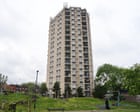
Aalim Ahmed, just five years old, fell from a window located on the 15th floor of a tower block situated in Plaistow, east London. The incident occurred on 16 May 2024, early in the morning when his father, Makail Ahmed, discovered him outside the temporary social housing accommodation. The boy was autistic, and his family had previously requested to be relocated from the premises they considered unsafe.
Circumstances Leading to the Incident
According to court testimony during the inquest proceedings, the family had expressed concerns about their living conditions prior to the fatal accident. Makail Ahmed found his son shortly before 6am that morning, prompting immediate emergency response. The investigators subsequently determined that the child had fallen from a kitchen window at the residential block where the family was temporarily housed.
Safety Concerns and Building Standards
The inquest has highlighted significant gaps in child safety standards within the tower block. Experts providing testimony indicated that window safety measures could have been substantially improved to prevent such accidents. These findings suggest that standard building safety protocols may have been inadequate for families with young children, particularly those with additional support needs.
Witnesses at the inquest noted that the residential building lacked certain protective features that could have prevented the tragedy. The examination of the property and its condition raised questions about whether landlords and housing authorities had fulfilled their obligations regarding residential building safety in vulnerable households.
Family's Previous Safety Requests
The tragic nature of this case is compounded by evidence that the family had previously sought assistance regarding their accommodation. Before the incident, Makail Ahmed and his family had requested to be moved from the flat, indicating they had identified potential hazards within the property. Despite these requests, the family remained in the temporary social housing, where the fatal fall subsequently occurred.
Implications for Housing Safety
This inquest serves as a critical examination of how housing authorities assess risk factors in residential units occupied by families with children, especially those with autism or other conditions requiring specialized care. The case underscores the importance of implementing comprehensive child safety standards across all residential buildings, particularly in temporary social housing arrangements.
Expert evidence presented during proceedings emphasized that window safety mechanisms could have been installed or improved to protect young residents. The failure to implement such measures before the tragedy raises broader questions about accountability within the housing sector.
Questions About Accountability
The findings from this inquest are likely to influence future discussions about residential building safety regulations and how housing authorities respond to family requests for relocation. The case demonstrates the potential consequences when child safety standards are not prioritized in temporary accommodation situations.
As the inquest continues, it will likely produce recommendations aimed at preventing similar incidents in the future. These may include stricter window safety requirements, more responsive protocols for family relocation requests, and enhanced safety assessments for properties housing families with vulnerable children.