Cleverly Pledges Classical Conservative Agenda for London Mayor Race
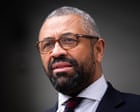
Cleverly's Strategic Approach to London Mayor Campaign
James Cleverly has announced his intention to pursue a London mayor campaign centered on traditional Conservative values and principles, carefully positioning himself away from divisive cultural debates that have dominated recent political discourse. The former home and foreign secretary has made clear his commitment to focusing on substantive governance issues rather than engaging in broader ideological conflicts.
In his formal campaign announcement, Cleverly outlined how his victory in the mayoral race would serve as a crucial foundation for advancing Kemi Badenoch's political ambitions at the national level. This strategic alignment demonstrates the interconnected nature of contemporary Conservative Party politics and the careful coordination between various party figures seeking advancement.
Distinguishing Himself from Badenoch's Leadership Direction
Cleverly has categorically denied that his decision to leave the shadow cabinet was motivated by Badenoch's recent rightward shift in party direction. Instead, he has framed his mayoral candidacy as a natural progression of his political career, emphasizing his desire to serve London's residents directly rather than focusing on national party dynamics.
The Conservative candidate has positioned his campaign as distinct from broader party movements, suggesting that his approach to the mayoral position will prioritize local governance concerns over national political trends. This distinction may prove significant as Conservative figures attempt to appeal to London's diverse electorate while maintaining party loyalty.
Criticizing Incumbent Leadership
Cleverly has launched pointed critiques at both the current mayor and opposition figures. He has suggested that Sadiq Khan has "lost passion for the job," implying that London requires fresh leadership with renewed energy and commitment. Additionally, he has characterized Andy Burnham, a prominent Labour politician, as "very anti-London," suggesting that opposition leadership lacks the city's best interests at heart.
These attacks form a central component of Cleverly's campaign strategy, as he attempts to differentiate himself from existing leadership while appealing to voters dissatisfied with current governance. By questioning the commitment and orientation of rivals, he aims to position himself as the candidate most dedicated to London's prosperity.
The Broader Context of London Politics
The mayoral election represents a significant moment in London's political landscape, with multiple high-profile figures contending for control of the nation's capital. The race has attracted considerable attention as various political parties seek to demonstrate their viability and appeal to one of Britain's most influential urban centers.
Cleverly's entry into the race adds another dimension to what was already shaping up to be a competitive contest. His background in national government provides experience and resources that may appeal to voters seeking proven leadership capabilities. However, his recent national party roles might also present challenges, as voters evaluate whether his priorities align with London-specific concerns.
Campaign Strategy and Key Messaging
The emphasis on a "classically Conservative" campaign suggests Cleverly intends to focus on traditional party priorities such as economic management, public safety, and efficient governance rather than contentious cultural issues. This approach may reflect a strategic calculation that London voters, while diverse in their viewpoints, share common interests in functional and effective municipal administration.
By steering clear of culture war debates, Cleverly positions himself as a practical administrator focused on substantive outcomes rather than ideological positioning. This strategy could appeal to swing voters and moderates who feel fatigued by divisive political rhetoric and seek candidates emphasizing concrete policy solutions.
Implications for Conservative Party Dynamics
Cleverly's London politics entry occurs within the context of broader Conservative Party realignment and leadership transitions. His careful distancing from national party culture war debates while maintaining loyalty to Badenoch's leadership suggests a nuanced approach to intra-party politics.
The potential victory of a Conservative mayor in London would represent a significant political achievement for the party, given the city's historical support for Labour. Such a result would validate Conservative campaign strategies and potentially provide momentum for national party messaging.
Looking Ahead
As Cleverly's mayoral campaign develops, voters will assess whether his experience in national government translates effectively to municipal governance priorities. The campaign will likely highlight his executive experience while addressing skeptics who question whether national politicians can effectively focus on local concerns.
The race for London mayor will ultimately reflect broader questions about voter priorities, party strategy, and the direction of British politics as various forces compete for influence over the nation's capital city.