
Coal Power is Rebounding in the U.S. Here’s How it Happened
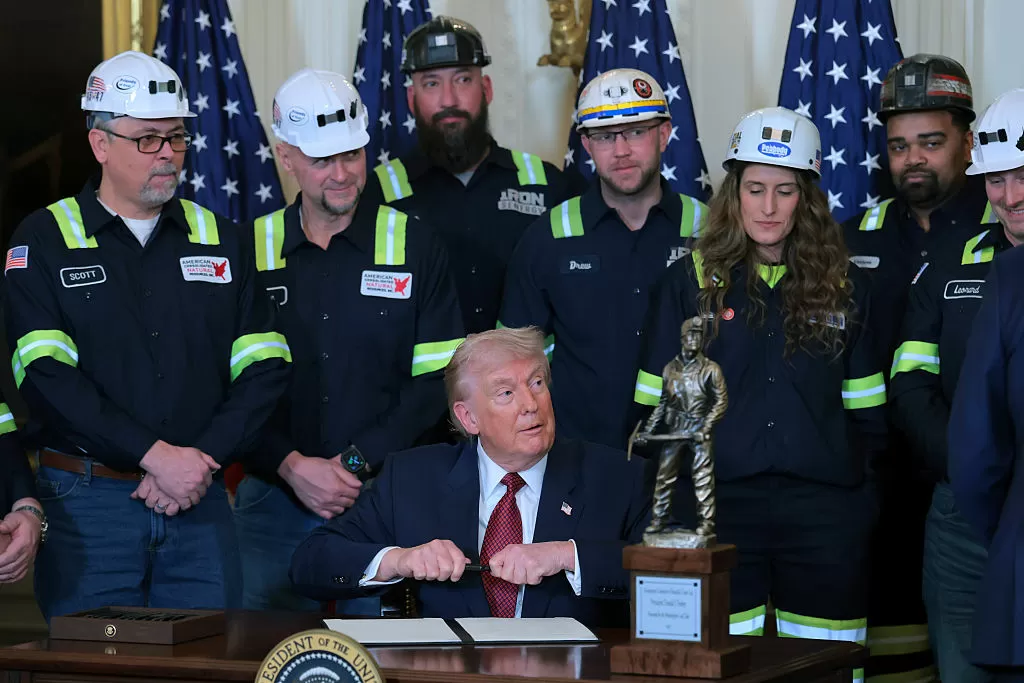
Rising natural gas prices, an explosion of new data centers, and EPA policy changes are giving old coal plants a new lease on life. This unexpected turn of events has breathed new life into the once-dying coal industry, providing a glimmer of hope for struggling communities and economies.
For years, the coal industry has been in decline as natural gas emerged as a cheaper and cleaner alternative. However, recent developments have shifted the tide in favor of coal, bringing back its relevance and importance in the energy sector.
One of the main contributing factors to this resurgence is the steady rise in natural gas prices. Over the past few years, natural gas prices have been on the rise due to increasing demand and limited supply. This has led to a significant increase in the cost of operating natural gas power plants, making it less attractive for energy companies to invest in new infrastructure. As a result, many energy companies are turning back to their existing coal plants, which are now becoming a more cost-effective option.
Additionally, the explosion of new data centers is also contributing to the revival of coal plants. As the world becomes increasingly digital, the demand for data centers is skyrocketing. These data centers require large amounts of energy to operate, and coal plants are proving to be a reliable and affordable source of power. In fact, recent reports have shown that some of the biggest data center operators, such as Amazon and Google, are turning to coal plants for their energy needs. This not only benefits the coal industry but also helps to keep energy costs down for businesses and consumers who rely on these data centers.
Furthermore, the recent EPA policy changes have also played a significant role in the resurgence of coal plants. Under the previous administration, strict regulations and policies were implemented to reduce carbon emissions and promote cleaner energy sources. However, the current administration has taken a more lenient approach, with a focus on promoting domestic energy production and reducing regulatory burdens. This shift in policy has given coal plants a much-needed boost, allowing them to operate more freely and efficiently.
The revival of coal plants is not only beneficial for the energy industry but also for local communities and economies. Many coal-dependent regions have suffered from the decline of the industry, leading to job losses and economic hardships. The resurgence of coal plants means job opportunities for those in coal mining and related industries, as well as increased economic stability for these communities. It also provides a lifeline for struggling economies, especially in rural areas, boosting local businesses and increasing tax revenues.
However, it's not just about the economic benefits. Coal plants also have a significant role to play in ensuring a reliable and consistent energy supply. While renewable energy sources like wind and solar are growing in popularity, they still lack the stability and consistency of traditional energy sources. Coal plants, with their ability to operate round the clock, provide a reliable backup for when these renewable sources are not able to meet the demand.
The revival of coal plants could also have a positive impact on global energy markets. With the increasing demand for energy in developing countries, coal is expected to play a significant role in meeting this demand. The resurgence of the coal industry in the United States could help to stabilize global coal prices and reduce reliance on energy imports.
In conclusion, the rise in natural gas prices, the growth of data centers, and the changes in EPA policies are all contributing to the unexpected resurgence of coal plants. This revival is providing a much-needed boost to the struggling coal industry and bringing hope to communities and economies that have been affected by its decline. With its affordability, reliability, and contribution to global energy markets, coal looks set to maintain its relevance and importance in the energy sector for years to come.