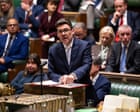
Corbyn Denounces 'Unusual' Policy Void in Leadership Race as Burnham Seeks Transformative Vision

Corbyn Raises Questions Over Policy Substance in Labour Leadership Debate
Jeremy Corbyn has stepped into the ongoing Labour leadership debate with pointed criticism regarding what he describes as an unusual and concerning lack of substantive policy discussion. The former party leader emphasized that candidates, particularly Andy Burnham, must articulate clear and transformative positions rather than relying on vague commitments to change.
The Labour leadership debate has become a focal point for party members seeking direction following recent electoral developments. Corbyn's intervention in the Labour leadership debate signals growing expectations that contenders should present detailed policy frameworks addressing the party's core concerns and voter priorities.
Burnham's Challenge to Deliver Real Change
Andy Burnham, the prominent mayoral figure, faces mounting pressure to distinguish his vision within the competitive leadership race. Corbyn's remarks suggest that simply promising transformation will not satisfy the party's activist base and membership.
The former leader's critique highlights a fundamental tension within contemporary Labour politics: the balance between broad appeal and specific policy commitments. Burnham's candidacy has generated considerable support among certain party factions, yet questions persist about the substantive nature of his proposed agenda.
Context Behind the Leadership Debate
Recent political developments have intensified discussions surrounding Labour's direction and future strategy. The Makerfield byelection result demonstrated the party's capacity to mobilize supporters effectively, with a victory that saw unprecedented grassroots engagement.
Reform UK's performance in the byelection, while showing incremental gains in vote share compared to the 2024 general election, underscored the competitive electoral landscape candidates must navigate. Robert Kenyon's second-place finish reflected both Reform's structural challenges in translating polling leads into byelection success and Labour's organizational strength.
The Importance of Policy Framework in Leadership Races
Corbyn's emphasis on policy substance addresses a broader concern among Labour members about the caliber of debate within the party's leadership contests. The absence of detailed policy discussion risks alienating activists who expect serious engagement with complex issues facing the nation.
The Labour leadership debate occurs within a context of significant political uncertainty. Voters increasingly demand clarity on how parties intend to address economic challenges, public service provision, and social equity. Candidates who fail to articulate specific policy responses risk appearing disconnected from public concerns.
Burnham's Position and Future Prospects
As a regional leader with substantial administrative experience, Burnham possesses credentials that appeal to pragmatically-oriented party members. However, Corbyn's intervention suggests these credentials alone may prove insufficient without accompanying policy detail.
The mayor's allies have expressed confidence regarding his momentum within the leadership race. Nevertheless, sustained scrutiny of his policy positions will likely intensify as the contest progresses. Labour members will expect answers regarding his approach to economic policy, public sector reform, and the party's relationship with progressive movements.
Looking Forward: The Stakes of Policy Clarity
The Labour leadership debate carries implications extending beyond internal party dynamics. As the governing party, Labour's policy direction shapes national priorities and electoral competitiveness in future contests.
Corbyn's criticism reflects broader expectations that the Labour leadership debate should elevate standards of political discourse within the party. Candidates, particularly frontrunners like Burnham, must recognize that contemporary voters and party members demand substance alongside aspirational messaging. The challenge lies in presenting coherent policy frameworks while building inclusive coalitions within Labour's diverse membership base.