
Doku Under Fire for World Cup Absence Plan During Wife's Birth
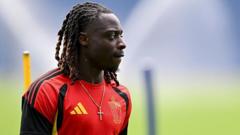
Doku's Decision Sparks Major Controversy
Winger Jeremy Doku has become the center of significant criticism following his announcement regarding a Doku World Cup absence during Belgium's tournament participation. The Manchester City player publicly stated his intention to depart from Belgium's World Cup camp to be present for the birth of his first child with his wife, a decision that has ignited heated debate across the football community.
The Circumstances Behind the Announcement
Doku's statement about wanting to leave the Belgian national team's base during the tournament emerged as a deeply personal matter intersecting with professional obligations. The young footballer expressed his desire to prioritize one of life's most significant moments—the arrival of his firstborn—creating tension between his commitment to his country and his responsibilities as an expectant father.
This announcement has placed Belgian team management in a difficult position, forcing them to balance player welfare, family commitments, and competitive requirements during one of football's most prestigious competitions.
Reactions from the Football Community
The Doku World Cup absence plan has generated considerable backlash from various quarters. Traditionalist football analysts have questioned the decision's appropriateness, arguing that World Cup participation represents a once-in-a-lifetime opportunity that demands complete dedication. Meanwhile, modern perspectives emphasize the importance of personal milestones and mental health considerations for professional athletes.
Social media platforms have become battlegrounds for passionate discussions, with supporters divided between those defending Doku's paternal instincts and those criticizing what they perceive as a lack of professionalism during international duty.
Historical Context and Precedent
This situation is not entirely unprecedented in professional football, though such circumstances remain relatively uncommon at major tournaments. Various players have faced similar dilemmas throughout World Cup history, each handling the situation differently based on personal values, team policies, and competitive contexts.
The Doku controversy raises important questions about athlete management, personnel policies, and the evolving expectations of modern football players who increasingly assert their rights to personal life alongside professional commitments.
Belgium's Team Management Response
Belgian football authorities have had to navigate delicate diplomatic waters regarding Doku's personal situation. The national team must consider numerous factors including squad depth, tactical planning, player morale, and the broader implications of granting such absences during tournament play.
Officials have reportedly discussed various options with the winger, seeking solutions that might accommodate both his personal needs and the team's competitive requirements during the World Cup campaign.
Broader Implications for Professional Football
The Doku World Cup absence debate extends beyond one player's circumstances, touching upon fundamental questions about how professional sports organizations should handle employee personal emergencies. This case study demonstrates the tension between traditional expectations of absolute dedication and contemporary understanding of work-life balance.
The situation also highlights generational differences in how athletes view their priorities, with younger players increasingly willing to challenge conventional norms about tournament participation and personal commitments.
Looking Forward
The resolution of Doku's situation will likely set precedent for future decisions regarding player absences during major tournaments. Whatever outcome Belgian authorities determine could influence how international football governing bodies and national teams approach similar requests in subsequent competitions.
This controversy reminds the football world that players are individuals with lives, families, and personal obligations extending far beyond the pitch, challenging the sport to evolve its policies and perspectives on these deeply human matters.


