Drugs Are a Useful Weapon in America’s War Games
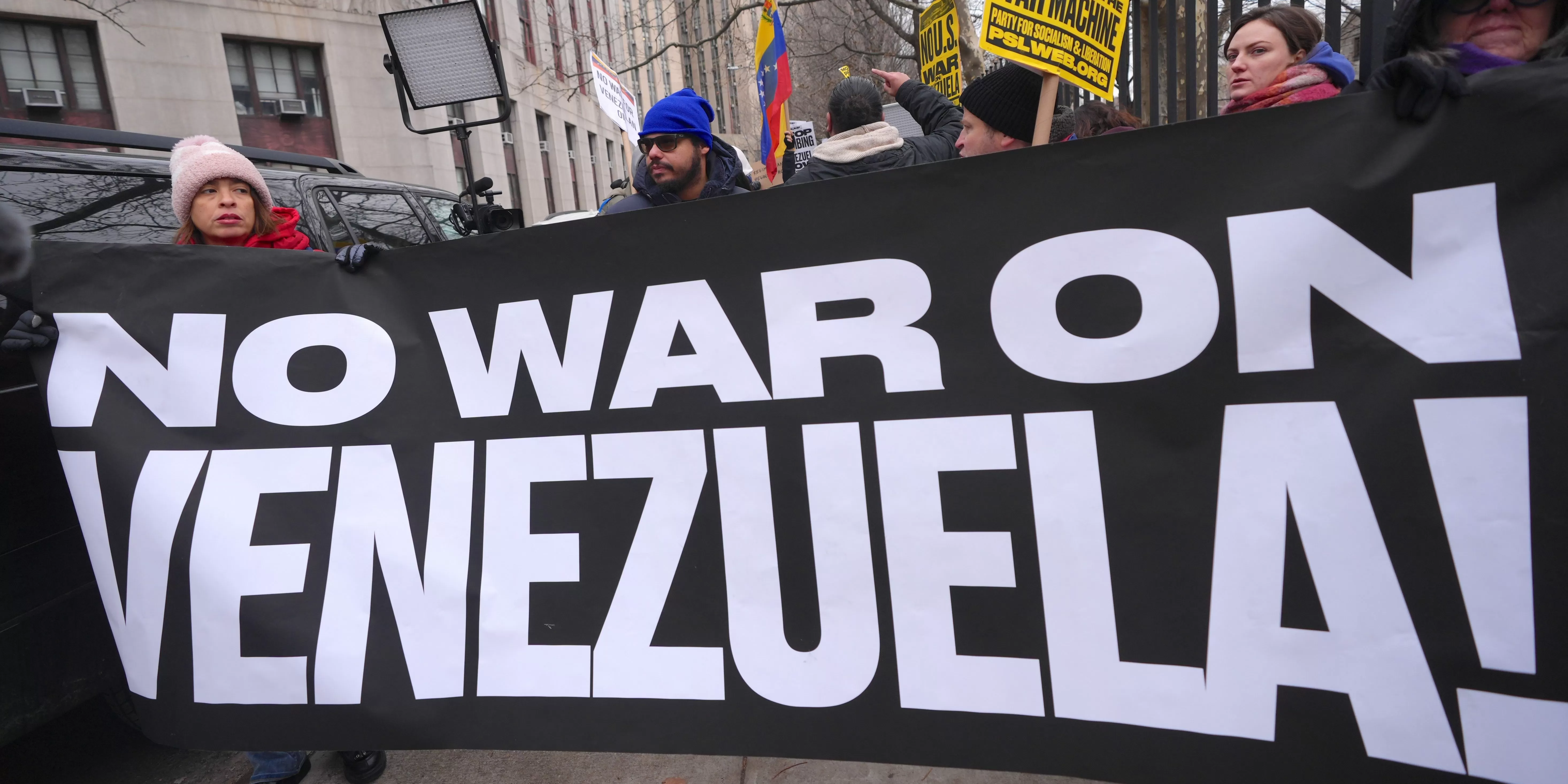
Trotting Out Rhetoric About Drug Trafficking: The Real Agenda Behind America's War Games in Venezuela
In recent years, Venezuela has been a hot topic in international news due to its political instability and economic crisis. The country's president, Nicolás Maduro, has been the subject of intense criticism and pressure from the United States government, which has accused him of human rights violations and drug trafficking. However, as the situation in Venezuela continues to escalate, it is becoming increasingly clear that the US's rhetoric about drug trafficking is merely a pretext for its real agenda: gaining control over the country's vast oil reserves.
The US's involvement in Venezuela's political affairs is not a new phenomenon. For decades, the US has been interfering in Latin American countries, often under the guise of promoting democracy and fighting drug trafficking. However, in the case of Venezuela, it is evident that the US's true motivation is not to bring about positive change but to further its own economic interests.
The US's obsession with Venezuela's oil reserves is not a secret. Venezuela holds the largest oil reserves in the world, surpassing even Saudi Arabia. This makes it a significant player in the global oil market, and the US has long been eyeing its resources. In the 1990s, the US supported a coup against Venezuela's then-president, Hugo Chávez, who had promised to nationalize the country's oil industry. The US's involvement in the coup was a clear indication of its intentions to control Venezuela's oil wealth.
Fast forward to the present day, and the US's tactics have not changed. The US has been imposing crippling sanctions on Venezuela, which have only exacerbated the country's economic crisis. These sanctions have targeted the oil industry, preventing Venezuela from trading its primary source of income. As a result, the country's economy has been in a downward spiral, leading to hyperinflation, shortages of basic goods, and widespread poverty. The US's strategy is clear: to weaken the country's economy and destabilize the government.
In addition to economic sanctions, the US has also been using the pretext of fighting drug trafficking to justify its interference in Venezuela. The US has accused Maduro and his government of being involved in drug trafficking and has imposed sanctions on several high-ranking officials. However, these accusations are baseless and lack any substantial evidence. They are merely a smokescreen for the US's real agenda.
The US's use of drug trafficking as a weapon in its war games is not unique to Venezuela. It has a long history of using this tactic to advance its interests in other countries. For instance, in the 1980s, the US funded and trained the Contras in Nicaragua, who were involved in drug trafficking to fund their operations against the government. Similarly, in Afghanistan, the US has turned a blind eye to the opium trade, which has been a significant source of funding for the Taliban. The US's double standards when it comes to drug trafficking are evident, and it is clear that its real motive is not to combat the illegal drug trade but to achieve its political goals.
The consequences of the US's actions in Venezuela have been devastating. The country is on the brink of a humanitarian crisis, with millions of people lacking access to basic necessities. The US's interference has only worsened the situation, and it is evident that its motives are not to bring about positive change but to further its own agenda.
It is time for the US to end its war games in Venezuela and stop using drug trafficking as a pretext to meddle in the country's affairs. The Venezuelan people deserve to determine their own future without interference from foreign powers. The US must respect Venezuela's sovereignty and stop its economic and political attacks on the country.
In conclusion, the US's rhetoric about drug trafficking in Venezuela is a smokescreen for its real agenda: gaining control over the country's oil reserves. The US's involvement in Venezuela's affairs is not about promoting democracy or fighting drug trafficking; it is about furthering its economic interests. It is time for the US to end its war games and allow the Venezuelan people to determine their own destiny. Only then can the country move towards stability and prosperity.