
England's Drought Crisis Widens as Two-Thirds Face Water Shortage
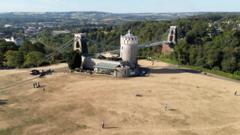
England's Drought Crisis Expands Across Multiple Regions
England's drought crisis has reached a critical point, with more than two-thirds of the country now officially classified as being in drought status. This significant expansion of the affected areas reflects the ongoing water supply challenges facing the nation and highlights the urgent need for comprehensive water management strategies across the country.
Which Regions Are Now Affected by the Drought?
The latest designations have brought several major regions into official drought status. The East Midlands, encompassing areas like Lincolnshire and Northamptonshire, now falls under these restrictions. Additionally, the Southeast has been heavily impacted, with Kent and East Sussex both declared in drought conditions. The Solent region and the South Downs have also moved into this critical status classification.
Understanding Regional Impact
These newly affected regions represent significant population centers and agricultural zones across England. The East Midlands serves as an important agricultural hub, while the Southeast encompasses densely populated areas with substantial water demand. The Solent region includes major urban centers, and the South Downs extends across another crucial economic zone. The combined effect of these regional drought statuses means that millions of residents and countless businesses now operate under water conservation measures.
The Broader England Drought Situation
The expansion of drought conditions across England reflects a worrying trend in the nation's water security. With more than two-thirds of the country now affected, the drought crisis extends beyond isolated incidents to become a widespread challenge affecting infrastructure, agriculture, and everyday life. This represents a substantial portion of England's population and territory facing unprecedented water stress.
Cumulative Effects of the Drought Crisis
As additional regions transition into drought status, the cumulative effect on national resources becomes increasingly severe. Water companies across the affected areas have implemented enhanced conservation protocols. The drought status designation typically triggers restrictions on water usage, including limitations on hosepipe usage, garden watering bans, and increased monitoring of industrial and commercial water consumption.
What Drought Status Means for Communities
When regions receive official drought status classification, it signals that water supplies have fallen to critical levels requiring immediate intervention. This classification involves coordination between water authorities, environmental agencies, and local governments. Communities within drought zones experience various restrictions designed to preserve remaining water supplies for essential uses including drinking water, sanitation, and critical infrastructure maintenance.
Conservation Measures and Restrictions
Residents and businesses in drought areas must adapt their water usage patterns significantly. The implementation of drought status measures aims to reduce overall consumption and extend water availability throughout the affected regions. These restrictions often remain in place for extended periods, requiring sustained behavioral changes from both individuals and organizations operating within these zones.
Looking Forward: Managing England's Water Crisis
The expansion of England's drought crisis to encompass more than two-thirds of the country underscores the severity of current water supply challenges. As additional regions like the East Midlands, Kent, East Sussex, Solent, and South Downs enter drought status, the nation faces intensifying pressure to develop and implement long-term water management solutions. Authorities continue monitoring conditions while working to balance the immediate needs of affected communities with sustainable resource management for future generations.
The ongoing drought situation demands coordinated responses across all levels of government and society, emphasizing the importance of water conservation awareness and infrastructure investment to address this pressing national challenge.


