
FIFA President Under Fire as UEFA Threatens World Cup Boycott
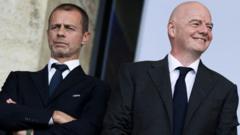
FIFA President Faces Critical Moment After UEFA's World Cup Boycott Threat
The football world is experiencing unprecedented turbulence as Infantino FIFA president faces mounting pressure from major confederations. Within a 48-hour period, UEFA has issued a formal boycott threat regarding the World Cup, while Concacaf has decisively rejected Gianni Infantino's proposed funding plan, creating a perfect storm of institutional resistance that threatens the stability of world football governance.
UEFA's Bold Stance on World Cup Participation
European football's governing body has taken the extraordinary step of threatening to withdraw from the World Cup, marking one of the most serious challenges to FIFA's authority in recent memory. This unprecedented move by UEFA signals deep-seated concerns about the current direction of international football administration under Infantino's leadership. The boycott threat represents far more than a procedural dispute; it reflects fundamental disagreements about how football's most prestigious tournament should be organized and financed going forward.
UEFA's decision to escalate tensions demonstrates the organization's commitment to protecting the interests of its member associations and the broader European football community. The threat carries significant weight given Europe's historical importance to the World Cup and the substantial revenue European nations contribute to FIFA's coffers through participation and broadcasting rights.
Concacaf's Rejection of Infantino's Funding Initiative
The North and Central American confederation has formally rejected the funding proposal put forward by Gianni Infantino, adding another layer of complexity to FIFA's institutional challenges. This rejection reveals that Infantino's attempts to reshape FIFA's financial structure have encountered resistance from multiple regional confederations, not merely isolated complaints from individual nations.
Concacaf's position suggests that the proposed funding mechanism fails to adequately address the needs or concerns of North and Central American football organizations. The rejection indicates that these regional bodies question whether the plan fairly distributes FIFA's resources or protects their legitimate financial interests in international football competitions.
Understanding the Broader Implications for FIFA Leadership
The convergence of UEFA's boycott threat and Concacaf's rejection raises fundamental questions about Infantino FIFA president's political viability. These simultaneous challenges from two major confederations indicate that opposition to current FIFA administration extends across multiple continents and involves both wealthy and developing football nations.
The political landscape surrounding Infantino's presidency has shifted dramatically. What began as isolated criticism has evolved into coordinated institutional resistance that threatens the legitimacy of FIFA's leadership structure. The fact that major confederations are willing to openly challenge FIFA's president through boycott threats and formal rejections demonstrates the depth of dissatisfaction with current governance approaches.
Financial Implications and Revenue Concerns
At the heart of these conflicts lies the question of how FIFA distributes financial resources among its member confederations. Infantino's funding proposal evidently redistributes resources in ways that some confederations view as unfavorable to their interests. The competition for revenue from international football represents one of the most contentious issues in modern FIFA governance.
UEFA, as the administrator of European football, controls access to some of the world's most valuable broadcasting markets and largest stadia. European teams generate substantial revenue through World Cup participation, making UEFA's financial stake in the tournament particularly significant. Concacaf's rejection suggests that the funding plan does not adequately compensate confederations for the value their members contribute to FIFA competitions.
What Happens Next for International Football
The immediate future remains uncertain as these institutional tensions play out. UEFA's boycott threat is unlikely to materialize without significant concessions from FIFA, but the threat itself demonstrates that major confederations possess leverage to demand changes in FIFA's operational and financial practices.
Negotiations between FIFA leadership and the confederations will determine whether Infantino can retain his position or whether serious discussions about leadership change will emerge. The outcome will have profound implications for how international football is governed, financed, and administered for years to come.
Conclusion: A Turning Point for FIFA Governance
The current crisis represents a critical juncture for international football administration. With UEFA threatening World Cup boycotts and Concacaf rejecting financial proposals, Infantino FIFA president faces unprecedented institutional resistance. Whether FIFA's leadership can navigate these challenges through negotiation and compromise, or whether this moment signals the beginning of the end for current administrative structures, remains to be determined in the coming weeks and months.


