
Guinea Landfill Collapse Leaves 30 Dead in Capital
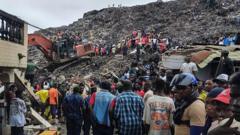
Catastrophic Waste Site Failure in Guinea
A devastating incident at a major refuse disposal facility has resulted in significant loss of life in Guinea's capital city. The Guinea landfill collapse has claimed approximately 30 lives, according to statements from government authorities. The disaster occurred when accumulated waste material shifted and engulfed multiple residential structures located adjacent to the facility, triggering a humanitarian crisis in the affected area.
Details of the Incident
The landfill collapse represented a sudden and catastrophic failure of waste management infrastructure. A substantial mound of refuse, which had accumulated over an extended period, gave way without warning. This unexpected structural failure resulted in a surge of debris that swept through neighboring communities, destroying homes and displacing families overnight.
Government representatives have confirmed the disaster's severity, with officials documenting the extent of damage across multiple residential zones. The collapse exposed critical vulnerabilities in how the nation manages its municipal waste, raising urgent questions about infrastructure safety standards and regulatory oversight at major disposal sites.
Humanitarian Impact and Immediate Response
The capital city disaster has created an immediate humanitarian emergency. Beyond the confirmed fatalities, numerous individuals remain missing, and rescue operations continue in affected neighborhoods. Local authorities have mobilized emergency response teams to search for survivors beneath the debris and to provide urgent assistance to affected residents.
The destruction of homes has rendered hundreds of people homeless, compelling authorities to establish temporary shelter arrangements. Medical facilities in the region have been overwhelmed with casualties, straining healthcare resources already under pressure. Relief organizations have begun coordinating assistance programs to address immediate needs for food, water, and medical care.
Structural and Environmental Concerns
The environmental hazard created by this incident extends beyond the immediate physical destruction. The uncontrolled release of waste material poses serious public health risks to surrounding communities. Toxic substances, decomposing organic matter, and contaminated materials have spread into local soil and water sources, creating potential long-term environmental damage.
Environmental scientists warn that the dispersion of hazardous materials requires immediate containment and remediation efforts. The collapse has highlighted the inadequacy of current waste management practices and the lack of proper safety barriers between disposal facilities and residential areas. Experts emphasize the urgent need for comprehensive environmental assessment and cleanup operations.
Regulatory and Safety Failures
This landfill accident represents a catastrophic failure of regulatory oversight and infrastructure maintenance. Prior inspections apparently failed to identify critical structural weaknesses that led to the collapse. The incident raises serious questions about whether proper engineering standards were applied during the facility's operation and whether adequate monitoring systems were in place.
Officials face mounting pressure to explain how such a dangerous situation was permitted to develop. Questions persist regarding maintenance protocols, waste compaction procedures, and safety inspections that should have prevented such a disaster. Independent experts suggest that systemic failures in regulatory enforcement contributed directly to the tragedy.
Government Response and Investigation
Government authorities have announced investigations into the causes of the Guinea landfill collapse. Officials have committed to identifying responsible parties and implementing corrective measures to prevent similar incidents. Preliminary statements indicate that the facility operated without adequate safety protocols and that structural reinforcements recommended in earlier assessments were never implemented.
Senior government representatives have visited affected areas, acknowledging the severity of the crisis. Authorities have pledged to accelerate disaster relief efforts and to conduct thorough technical analysis of the facility's failure. International assistance has been requested to support both rescue operations and long-term reconstruction initiatives.
Broader Infrastructure Challenges
This disaster underscores wider infrastructure challenges facing Guinea's municipal services. Waste management systems across the nation struggle with inadequate funding, outdated equipment, and insufficient technical expertise. The collapse serves as a stark reminder of the dangers inherent in postponing critical infrastructure investments and maintenance.
Urban planning specialists note that many developing cities place waste facilities dangerously close to populated areas without sufficient buffer zones or protective barriers. This practice, evident in Guinea's capital, substantially increases risk exposure for residents living in adjacent communities. Experts advocate for comprehensive urban planning reforms that prioritize safety and environmental protection.
Looking Forward
Recovery from this catastrophic event will require substantial resources and sustained commitment from national authorities. Beyond immediate rescue and relief operations, the nation faces the complex task of preventing recurrence through infrastructure modernization and regulatory reform. The landfill accident has catalyzed urgent discussions about waste management strategies and public safety standards across the region.


