
Helium-3 Mining: A Lunar Solution to Earth's Energy Crisis
Understanding Helium-3: The Rare Isotope Reshaping Energy
Helium-3 mining represents one of the most intriguing frontiers in space exploration and energy production. This lightweight isotope, which differs from common Helium-4, has emerged as a critical resource for advanced power generation technologies. Unlike traditional fossil fuels, Helium-3 offers unprecedented potential for clean, efficient energy production without the radioactive waste associated with conventional nuclear reactions.
The significance of Helium-3 lies in its unique properties. When used in fusion reactors, it produces energy through a process that generates minimal harmful byproducts, making it an exceptionally clean alternative to current energy sources. As global demand for sustainable power solutions accelerates, scientific communities worldwide have begun investigating sources of this precious element.
Why Helium-3 Demand Is Rapidly Increasing
Economic forecasts indicate that demand for Helium-3 will experience dramatic growth in the coming decades. This surge stems from multiple converging factors. First, the international push toward decarbonization has intensified interest in fusion energy as a long-term solution to climate change. Second, technological advancements in fusion reactor design have made Helium-3 fusion increasingly feasible. Third, traditional terrestrial sources of Helium-3 are extremely limited and expensive to produce.
Currently, obtaining Helium-3 on Earth requires sophisticated extraction from helium reserves or expensive production through nuclear reactions. The scarcity and high costs have restricted widespread development of fusion technologies that rely on this isotope. Scientists project that if fusion energy becomes commercially viable, demand could escalate exponentially, far exceeding what Earth's existing reserves can supply.
The Moon as a Treasure Trove of Helium-3
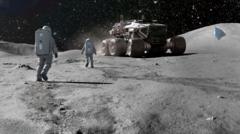
The lunar surface presents a remarkable opportunity for Helium-3 extraction. Unlike Earth, the moon has been bombarded by solar wind particles for billions of years without atmospheric protection. This continuous exposure has deposited substantial quantities of Helium-3 directly into the lunar regolith, the loose surface material covering the moon.
Scientists estimate that the moon contains millions of tons of Helium-3, distributed throughout its surface layer. This abundance makes the lunar environment an extraordinarily valuable repository compared to Earth's limited terrestrial supplies. The concentration of this isotope in moon dust far exceeds what can be found in any accessible location on our planet.
Helium-3 Mining: Technical Challenges and Opportunities
Extracting Helium-3 from the moon presents substantial technical obstacles that researchers continue addressing. The mining process would involve heating lunar regolith to release trapped gases, then separating Helium-3 from other elements in a specialized facility. This requires developing technology capable of functioning in the harsh lunar environment, characterized by extreme temperature variations, vacuum conditions, and fine abrasive dust.
Engineers propose several methodologies for lunar Helium-3 extraction. Solar-powered heating systems could vaporize surface materials, allowing gases to escape and be collected. Advanced filtration systems would then separate Helium-3 from other isotopes and elements. Transporting extracted material back to Earth would involve specialized cargo systems designed to preserve the isotope during the journey through space.
Infrastructure Requirements for Lunar Mining Operations
Establishing sustainable Helium-3 mining on the moon would require building permanent operational facilities. This infrastructure would include automated mining equipment, processing plants, storage facilities, and launch systems capable of returning extracted materials to Earth. Power systems, either solar or nuclear, would supply energy for continuous operations. Communication systems would maintain contact with Earth-based control centers.
Economic and Strategic Implications
The prospect of lunar Helium-3 mining carries profound economic implications. Nations or organizations that successfully establish mining operations would gain substantial advantages in future energy markets. Controlling access to this resource could shift geopolitical power structures, particularly if fusion energy becomes the dominant power source globally.
Investment in space mining infrastructure demands enormous capital expenditure. However, proponents argue that the potential returns justify these costs. As terrestrial energy demands continue rising and climate pressures intensify, the value of Helium-3 will likely appreciate significantly. Early pioneers in lunar mining could establish monopolistic advantages in the emerging space economy.
Current Status and Future Timeline
While Helium-3 mining remains largely theoretical, significant progress toward viability continues. Space agencies and private aerospace companies are developing technologies necessary for lunar resource extraction. International agreements regarding space resource utilization remain evolving, establishing frameworks for commercial mining operations.
Realistic timelines suggest that preliminary mining operations could become feasible within the next 20 to 40 years. This depends on continued technological advancement, sustained funding, and resolution of regulatory questions. The transition to commercial-scale Helium-3 production would likely extend beyond this period, requiring additional decades of operational refinement.
Conclusion: The Lunar Frontier of Clean Energy
Helium-3 represents a transformative opportunity for humanity's energy future. The moon's abundant reserves offer a potential solution to escalating energy demands while supporting the global transition to clean power sources. As technology matures and investment flows toward space mining initiatives, lunar Helium-3 extraction could transition from theoretical possibility to practical reality, fundamentally reshaping our planet's energy landscape.


