Holborn and St Pancras Byelection Results: Labour's Challenge
Holborn and St Pancras Byelection: A Defining Moment for Labour
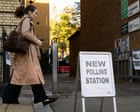
Voting has concluded in the Holborn and St Pancras byelection, marking a significant political contest that observers regard as a crucial assessment of Andy Burnham's capacity to consolidate support among Labour's diverse voter base. The election also represents a formidable challenge from the Green party's Zack Polanski, who has positioned himself as an alternative for progressive voters dissatisfied with Labour's current trajectory.
Labour's Defensive Position in a Historic Seat
The Holborn and St Pancras byelection centres on a constituency with substantial electoral significance. This north London seat previously served as the parliamentary base for Prime Minister Keir Starmer, who secured a commanding majority exceeding 11,000 votes during the 2024 general election. Labour's objective remains straightforward: retain control of this traditionally safe seat and prevent the Green party from capitalising on potential voter dissatisfaction.
The Test of Unity and Political Strategy
Andy Burnham's leadership capabilities face scrutiny through this byelection contest. The Greater Manchester Mayor has been tasked with maintaining Labour cohesion across different voter segments, particularly among those on the progressive spectrum who might find appeal in alternative candidates. The presence of Zack Polanski as the Green party's contender introduces a significant competitive dynamic, as he attempts to attract voters concerned about environmental policy and social justice issues.
Why This Byelection Matters
The Holborn and St Pancras byelection transcends routine parliamentary mathematics. It represents a barometer of Labour's internal strength and its ability to command loyalty from its traditional progressive voter coalition. Byelections frequently emerge as testing grounds for broader political trends, and this contest is no exception. A strong Labour performance would underscore party unity and Burnham's influence, while a closer-than-expected result might signal vulnerability in what was previously regarded as secure territory.
Green Party's Strategic Opportunity
Zack Polanski's candidacy reflects the Green party's broader ambition to expand parliamentary representation and challenge Labour's dominance on progressive issues. In constituencies like Holborn and St Pancras, where environmental consciousness runs high and voters demonstrate concern about inequality, the Greens perceive genuine electoral potential. Polanski's campaign has emphasised distinct policy positions, attempting to differentiate the Green party from Labour's centrist orientation under current leadership.
Historical Context and Voter Expectations
Keir Starmer's substantial 2024 majority suggested robust local support for Labour candidates in this constituency. However, the transition to a new representative, following Starmer's elevation to Prime Minister, creates uncertainty. Not all voters who supported Starmer as their constituency MP necessarily maintain identical enthusiasm for alternative Labour candidates, particularly if they harbour reservations about national party direction.
Regional and National Implications
The outcome of the Holborn and St Pancras byelection will extend beyond local significance. Political analysts closely examine byelection results as indicators of shifting electoral landscapes and public sentiment. A decisive Labour victory would reinforce perceptions of party stability and voter confidence. Conversely, any erosion of Labour's typical majority would prompt uncomfortable questions about voter retention and the effectiveness of the party's outreach efforts.
The Broader Political Context
This byelection occurs within a complex political environment where multiple factors influence voter behaviour. Cost-of-living challenges, public service quality, environmental concerns, and perceptions of political leadership all shape electoral decisions. Candidates must address these interconnected issues while establishing their individual credentials and vision for constituency representation.
What Comes Next
As results from the Holborn and St Pancras byelection emerge, political observers will scrutinise vote shares, turnout figures, and swings compared to the 2024 general election baseline. These metrics will inform broader assessments about Labour's political health and the viability of alternative progressive candidates in traditionally secure Labour constituencies. The byelection serves as an important data point for understanding contemporary British electoral behaviour and the dynamics between major and minor political parties competing for progressive voters' support.