
Indonesia Earthquake: Rescue Teams Hunt for Survivors
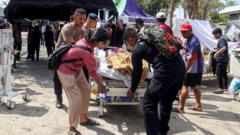
Major Earthquake Strikes Indonesia with Significant Casualties
Rescue teams are conducting extensive operations across the disaster zone following a powerful earthquake that has claimed at least 47 lives across Indonesia. The seismic event, which unleashed destructive forces across multiple regions, has prompted immediate mobilization of emergency response personnel to locate and assist survivors trapped beneath the rubble.
The earthquake left a trail of devastation with hundreds of residential and commercial structures reduced to rubble. Preliminary estimates indicate widespread damage to both urban and rural communities, forcing authorities to declare the situation a major humanitarian crisis requiring coordinated national and international response.
Rapid Assessment Underway on Earthquake Impact
Government officials have initiated comprehensive rapid damage assessments to determine the full scope of destruction caused by the earthquake. Teams of structural engineers, geologists, and emergency response coordinators are working systematically through affected areas to document infrastructure damage and identify priority zones for search operations.
The assessment process involves multiple phases, beginning with aerial surveys and ground-level investigations to map affected zones. This critical information guides the deployment of rescue resources and helps authorities understand the scale of rebuilding efforts required following this devastating earthquake.
Search and Rescue Efforts Continue
Emergency personnel are utilizing specialized equipment and trained rescue dogs to locate survivors beneath collapsed structures. The rescue operations, which began immediately after the earthquake struck, have been expanded as additional resources arrive at the disaster site.
First responders are prioritizing areas where the greatest concentration of people is believed to be trapped. Communication networks have been established to coordinate between different rescue teams and ensure efficient resource allocation throughout the affected regions.
Infrastructure Damage and Building Collapses
Hundreds of buildings have been either completely destroyed or rendered structurally unsafe by the earthquake. Hospitals, schools, and residential complexes have suffered extensive damage, complicating rescue efforts and medical response operations.
The collapse of numerous structures has created significant obstacles for rescue teams attempting to access survivors. Debris removal operations are proceeding alongside rescue efforts, with heavy machinery being transported to particularly affected areas.
International Support and Resources
The Indonesian government has requested assistance from neighboring countries and international humanitarian organizations to support the earthquake response. Several nations have already mobilized rescue teams with specialized equipment to assist in search and recovery operations.
Medical teams from various countries are being deployed to provide emergency healthcare services, while supplies including water, food, and temporary shelter materials are being organized by relief agencies worldwide.
Information for Affected Communities
Authorities have established emergency hotlines and information centers where residents can report missing persons and obtain information about earthquake relief services. The Indonesian Red Cross is coordinating efforts to reunite separated family members and provide psychological support to trauma survivors.
Officials urge residents in affected areas to remain in safe locations and avoid returning to damaged buildings. Seismic specialists continue monitoring aftershock activity to assess any additional risks to the disaster area.


