Kindergarten Vaccination Rates Fall Amid Exemption Surge
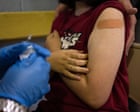
Kindergarten Vaccination Rates Show Decline
Recent data released by the Centers for Disease Control and Prevention (CDC) demonstrates a concerning downward trend in kindergarten vaccination rates, particularly for measles, mumps, and rubella (MMR) protection. The decline in kindergarten vaccination rates comes as non-medical exemptions have climbed to a record-breaking 4.2%, marking a significant shift in parental vaccination choices across the United States.
The CDC's official announcement minimized the changes, issuing a brief three-sentence statement asserting that "overall vaccination rates among kindergarteners remained high." However, medical professionals and public health analysts have expressed considerable alarm at the underlying trends indicated in the kindergarten vaccination rates data, viewing the patterns as potentially problematic for community immunity levels.
Non-Medical Exemptions Reach Historic Peak
The 4.2% rate of non-medical exemptions represents a notable increase from previous years, suggesting a growing number of parents are utilizing exemption provisions rather than having their children vaccinated. These exemptions, which include philosophical and religious objections to vaccination, bypass medical contraindications and allow children to enter school without required immunizations.
Non-medical exemptions have become increasingly prevalent in certain states and communities, creating pockets of lower vaccination coverage that epidemiologists warn could compromise herd immunity thresholds. The exemption landscape reflects broader societal discussions about parental autonomy, vaccine safety perceptions, and the balance between individual choice and collective public health protection.
Vaccination Rates Decline Across Regions
The MMR vaccination coverage decline appears distributed across multiple geographic regions, though rates vary considerably by state and district. Some areas maintain substantially higher vaccination coverage, while others show more pronounced decreases that approach concerning thresholds for disease transmission prevention.
Public health officials emphasize that vaccination rates must remain above 95% to maintain effective herd immunity for measles, a highly contagious disease. When kindergarten vaccination rates dip below this critical threshold, the risk of outbreaks increases significantly, potentially affecting vulnerable populations including infants too young for vaccination and immunocompromised individuals.
Medical Community Expresses Concern
Pediatricians and infectious disease specialists have publicly expressed concern regarding the downward trajectory in kindergarten vaccination rates. Medical organizations stress the proven safety and efficacy of MMR vaccines, which have prevented millions of cases of serious, sometimes fatal childhood diseases since their introduction.
The disconnect between public health messaging and exemption rates suggests that vaccination hesitancy is driven by various factors beyond medical considerations. Misinformation campaigns, social media influence, and changing attitudes toward preventive medicine appear to be contributing to the decline in kindergarten vaccination rates among certain populations.
Public Health Implications
The combination of declining kindergarten vaccination rates and surging exemptions creates conditions favorable for infectious disease resurgence. Measles, once nearly eliminated in the United States, has demonstrated its ability to spread rapidly through under-vaccinated populations, as evidenced by recent outbreak clusters in areas with low immunization coverage.
Health departments and schools must now navigate increasingly complex vaccination landscapes while maintaining educational access and community health protection. The rising kindergarten vaccination rates challenges coincide with broader national conversations about vaccine mandates, parental rights, and the government's role in public health decision-making.
Moving Forward: Policy and Education
Public health agencies face mounting pressure to address declining kindergarten vaccination rates through multiple strategies. Enhanced education campaigns emphasizing vaccine safety, improved access to immunizations, and clearer communication about disease risks represent potential approaches to reversing the downward trend.
The CDC's current data on kindergarten vaccination rates serves as a critical reminder that high vaccination coverage requires sustained effort, community trust, and consistent communication about the benefits of immunization. As exemption rates continue climbing alongside declining kindergarten vaccination rates, stakeholders across the medical, educational, and public health sectors must collaborate to reinforce the importance of childhood vaccinations for population-level disease prevention and protection of vulnerable community members.