
Morocco Detains Dozens of Migrants During Attempted Ceuta Crossing
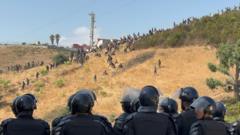
Morocco Increases Security Following Migrant Crossing Attempt
Moroccan authorities have apprehended multiple migrants who attempted to breach the border into Ceuta, the Spanish autonomous city situated on North African territory. The Morocco migrants Ceuta crossing represents an ongoing challenge for regional security forces managing irregular migration patterns across this sensitive frontier zone.
Intelligence from digital platforms had prompted heightened vigilance among law enforcement personnel stationed throughout the region. Security personnel anticipated potential movements targeting the Spanish enclave, leading to the deployment of additional resources and monitoring capabilities to prevent unauthorized border entries.
Security Measures and Border Response
Moroccan border authorities implemented comprehensive surveillance protocols following intelligence regarding planned unauthorized crossings. The increased security presence demonstrated the government's commitment to controlling irregular migration flows and maintaining territorial integrity along this strategically important boundary.
The detention operations reflected standard procedures employed by Moroccan enforcement agencies to intercept migrants attempting to reach European territory. Multiple individuals were apprehended during these coordinated security efforts, preventing what could have escalated into a more significant displacement incident.
Social Media Influence on Migration Patterns
Digital communications platforms played a notable role in organizing and publicizing migration attempts. Reports circulating on social networking services suggested coordinated efforts to execute a second substantial crossing operation during the weekend period. This phenomenon highlights how technological connectivity has fundamentally altered migration dynamics and organizational patterns.
Moroccan authorities responded proactively by monitoring online discussions and positioning personnel strategically to intercept movement before it materialized. The correlation between social media activity and actual crossing attempts has become a critical factor in border management strategy.
Regional Border Management Context
The situation underscores persistent challenges facing Moroccan and Spanish authorities regarding irregular migration through the Strait of Gibraltar corridor. Ceuta and Melilla, both Spanish territories on Moroccan soil, frequently serve as destination points for individuals seeking passage into Europe.
The Morocco migrants Ceuta crossing attempts reflect broader regional migration pressures, economic disparities, and security situations affecting West and Central African populations. These dynamics create sustained demand for border crossing opportunities, despite increasing enforcement efforts and legal barriers.
Impact on Border Communities
Local populations in border regions experience direct consequences from fluctuating migration pressures. Communities on both sides of the frontier manage disruptions resulting from unauthorized movement attempts, security operations, and humanitarian considerations inherent to migration management.
The detention of migrants raises questions regarding processing procedures, humanitarian protocols, and long-term resettlement or repatriation pathways. Moroccan authorities balance enforcement responsibilities with obligations toward vulnerable populations, including consideration of asylum claims and protection needs.
Future Border Security Outlook
Continued monitoring of digital communications and intelligence gathering will likely remain central to security strategies. The Morocco migrants Ceuta crossing phenomenon shows no signs of diminishing without addressing underlying factors driving migration attempts.
Regional authorities anticipate ongoing operational demands throughout coming months. Enhanced coordination between Moroccan and Spanish security services, combined with technological surveillance capabilities, will shape the future trajectory of border management effectiveness along this critical Mediterranean frontier.


