MPs Warn Against Using 'Extraordinary Risk' Tactic on Assisted Dying Bill
Cross-Party Warning on Assisted Dying Bill Parliamentary Procedure
Members of Parliament from both sides of the debate have issued a stark warning about the potential use of an assisted dying bill parliamentary procedure that could bypass traditional scrutiny mechanisms. The caution comes as the House of Commons prepares for a critical vote on Friday, with Labour MPs Gareth Snell and Meg Hillier co-authoring correspondence to their respective colleagues emphasizing the dangers of circumventing established legislative processes.
What is the 'Extraordinary Risk' MPs Reference?
The assisted dying bill has become increasingly contentious in Westminster, with lawmakers expressing concerns about the mechanism by which it could be forced through Parliament. The procedure in question represents an unusual parliamentary tactic that could potentially bypass the House of Lords' traditional role in scrutinizing major legislation. Both supporters and opponents of the measure agree that such an approach would constitute an extraordinary risk to parliamentary democracy and the legislative process.
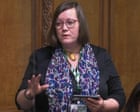
Gareth Snell, a Labour MP who voted in favour of the assisted dying bill, joined forces with Meg Hillier, a Labour colleague who voted against it, to craft their warning. This unusual alliance demonstrates the broader concern transcending ideological divisions within Parliament regarding procedural integrity on such a serious public matter.
The Critical Role of House of Lords Scrutiny
The House of Lords maintains a constitutional duty to scrutinize legislation brought before it, particularly on matters of significant public concern. An assisted dying bill falls squarely into this category, as end-of-life medical decisions touch upon profound ethical, moral, and practical considerations affecting the entire nation. By allowing peers to fulfil their scrutiny responsibilities, Parliament ensures that all perspectives receive adequate consideration.
The Lords has historically proven its value in the legislative process by raising important questions and proposing amendments that strengthen legislation. On a subject as sensitive and complex as assisted dying, this additional layer of parliamentary review becomes even more crucial. The written warning from both Snell and Hillier emphasizes that rushing this bill through Parliament without proper Lords deliberation would undermine the credibility of any resulting legislation.
Parliamentary Procedure and Democratic Principles
The obscure parliamentary procedure referenced by the MPs would represent a significant departure from established conventions governing how the assisted dying bill should progress through legislative stages. While Parliament possesses the technical authority to invoke such measures, doing so would send a troubling message about the value placed on thorough legislative scrutiny and cross-chamber dialogue.
Both Labour lawmakers argue that their respective sides must resist the temptation to deploy this extraordinary risk tactic, regardless of their personal position on the substantive merits of the assisted dying bill. This represents a principled stand in favour of process over expediency, prioritizing parliamentary standards above partisan advantage.
Timing and Friday's Vote
The timing of this warning letter proves significant, arriving just hours before lawmakers will cast their ballots on the assisted dying bill's progression. Snell and Hillier's correspondence serves as a last-minute appeal to colleagues' better judgement, urging reflection on the broader implications of their procedural choices. The Friday vote will prove crucial in determining not only the fate of this specific legislation but also the precedent it sets for future parliamentary practice.
Implications for Future Legislation
The debate surrounding the assisted dying bill extends beyond the immediate question of end-of-life medical options. It raises fundamental questions about how Parliament should handle controversial legislation touching upon profound moral questions. If lawmakers allow the extraordinary risk tactics to prevail in this instance, it could establish a precedent affecting how future sensitive bills are processed through Westminster.
The warning from both pro and anti-assisted dying MPs suggests that maintaining the integrity of parliamentary procedure matters more than securing a quick legislative victory. This perspective acknowledges that legitimacy of legislation depends not merely on numerical majorities but on the process through which laws are created and scrutinized.
Broader Context of the Assisted Dying Debate
The assisted dying bill represents one of the most contentious issues currently before Parliament, generating passionate arguments across multiple constituencies and stakeholder groups. Medical professionals, disability advocates, religious organizations, and patients' rights groups all hold strong positions on the proposal. Given this complexity, the role of both Houses of Parliament in thoroughly examining the legislation becomes essential to crafting a law that commands broad public confidence.
MPs from all parties recognize that an assisted dying bill affecting such fundamental aspects of medical practice and personal choice requires the most rigorous scrutiny available within the parliamentary system. Bypassing any step in that process risks producing legislation that fails to account for important considerations or that lacks sufficient legitimacy among key constituencies.