NATO Secretary General Warns of Critical Security Crisis
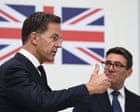
NATO Chief Calls for Enhanced Defense Commitment
The secretary general of NATO's 32-member military alliance delivered a stark warning about the NATO security environment during an official visit to the United Kingdom, emphasizing that Western nations face their most dangerous and complex geopolitical landscape in decades. Mark Rutte stressed the urgent necessity for substantial increases in both military capabilities and financial resources to address mounting regional tensions and emerging threats that challenge global stability.
During discussions with UK leadership, Rutte underscored the critical role that British military contributions play within the alliance framework. He commended the nation's commitment to elevating defense expenditures in alignment with NATO standards and American strategic expectations, recognizing these efforts as essential steps toward collective security.
The Case for Sustained Military Investment
Rutte's message extended beyond immediate commitments, highlighting the imperative for long-term strategic planning and continuous resource allocation. The alliance leader argued that momentary pledges and temporary budget increases fall short of addressing the complex security challenges that NATO members currently confront. Sustained, predictable funding mechanisms and modernized military capabilities represent the foundation upon which effective deterrence and response strategies must be built.
The NATO security environment has fundamentally shifted, requiring member states to recalibrate their defense philosophies and investment priorities. Traditional security paradigms no longer adequately capture the multifaceted nature of contemporary threats, ranging from conventional military posturing to hybrid warfare tactics and cyber operations. This complexity demands comprehensive responses that integrate technological innovation, personnel training, and interoperability standards across all alliance members.
Europe's Strategic Role in Alliance Strength
Central to Rutte's appeal was the assertion that Europe must demonstrate stronger independent military capabilities while maintaining robust transatlantic partnership. The secretary general emphasized that American commitment to NATO, while invaluable, cannot serve as a substitute for European nations shouldering greater responsibility for continental defense. This balanced approach requires European countries to invest substantially in their own defense infrastructure while coordinating efforts through established alliance mechanisms.
The United Kingdom, as a significant military power and NATO member, occupies a particularly strategic position in this equation. British defense capabilities, technological expertise, and operational experience contribute meaningfully to alliance objectives. However, these contributions must expand proportionally with the escalating threat landscape that characterizes the current NATO security environment.
Financial Commitments and Hard Power Resources
Rutte specifically referenced the need for "hard power" capabilities—conventional military forces, advanced weapons systems, and operational readiness—rather than purely diplomatic or economic measures. While international dialogue remains important, the alliance leader stressed that credible deterrence ultimately depends upon demonstrable military strength and the clear capacity to respond effectively to aggression or coercion.
Member nations must therefore prioritize defense spending not merely as budgetary allocations but as strategic investments in systemic security. This includes modernizing aging equipment, developing advanced defense technologies, and maintaining professional military personnel at appropriate staffing levels. The financial burden, while substantial, represents the cost of maintaining peace and stability across the Euro-Atlantic region.
Looking Forward: Continuity and Enhanced Capability
The secretary general's visit and subsequent statements signaled that NATO's leadership expects current defense initiatives to represent a baseline rather than a ceiling for future commitments. As the NATO security environment continues evolving, member states must demonstrate flexibility in adapting strategies while maintaining consistent, increasing investment levels. This forward-looking approach ensures that the alliance remains capable of addressing both anticipated and unexpected security challenges that may emerge in coming years.
The dialogue between NATO leadership and UK officials reflects broader conversations occurring across all member nations. These discussions center on calibrating appropriate responses to contemporary threats while ensuring that alliance cohesion and collective defense commitments remain uncompromised by political or economic considerations.