
Netanyahu Dismisses Trump's Gaza Plan: Political Strategy or Final Position?
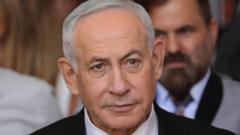
Netanyahu's Response to Trump's Gaza Initiative
Israeli Prime Minister Benjamin Netanyahu has publicly rejected Trump's 15-point Gaza plan, a development that marks a significant moment in ongoing diplomatic efforts regarding the Israeli-Palestinian conflict. However, the Trump administration's reaction to Netanyahu's Gaza plan rejection suggests this may not represent the final word on the matter, particularly given the broader political context in Israel.
The Trump administration has signaled it remains unfazed by Netanyahu's public dismissal of the proposal. Senior officials view the Israeli prime minister's rejection as primarily motivated by electoral considerations rather than a fundamental objection to the plan's contents. This interpretation reflects a pragmatic understanding of Israeli domestic politics during this critical period.
Campaign Rhetoric vs. Substantive Policy
Netanyahu faces significant political pressures ahead of the upcoming general election in Israel, a factor that cannot be overlooked when analyzing his response to the Trump administration's Gaza proposal. The prime minister's rejection appears strategically timed to address concerns from his political base and coalition partners who harbor skepticism about certain elements of the plan.
Political analysts suggest that Netanyahu's public position serves dual purposes: consolidating support among right-wing coalition members while maintaining diplomatic channels with the Trump administration. This delicate balancing act is not uncommon in Israeli politics, where election cycles often influence foreign policy positioning and negotiating stances.
The Trump Administration's Perspective
The American administration's characterization of Netanyahu's rejection as campaign rhetoric indicates they anticipate potential shifts in the Israeli government's position following electoral outcomes. Officials in Washington believe substantive negotiations may resume once the Israeli political landscape stabilizes after elections conclude.
This diplomatic approach reflects lessons learned from previous negotiations in the Middle East, where public statements sometimes mask genuine room for negotiation. The Trump team's apparent patience suggests they view this current phase as tactical positioning rather than a breakdown in diplomatic relations or an insurmountable obstacle to future discussions.
Historical Context and Precedent
Israeli leaders have historically used election cycles as opportunities to reset negotiating positions and recalibrate relationships with international partners. Netanyahu's response to Trump's Gaza plan follows this established pattern, suggesting the current rejection may be temporary rather than definitive.
The 15-point proposal itself represents a comprehensive approach to Gaza's complex humanitarian, security, and political dimensions. Whether Netanyahu's objections focus on specific provisions or broader implementation frameworks remains subject to interpretation and ongoing backchannels communication.
Implications for Future Negotiations
The Trump administration's measured response suggests confidence in their ability to restart discussions at an appropriate moment. This approach contrasts sharply with more confrontational diplomatic styles and indicates the American team believes engagement will eventually resume with Netanyahu's government or potential successors.
Election outcomes in Israel could significantly alter the diplomatic landscape, potentially bringing new leadership or reshaping coalition dynamics within Netanyahu's government. Either scenario could fundamentally change how the Trump administration's Gaza plan is received and negotiated.
As Israeli citizens prepare for elections, the trajectory of Netanyahu's stance on Trump's 15-point Gaza plan remains fluid. While public rejection sends clear signals to domestic constituencies, the Trump administration's confidence that this represents campaign positioning rather than final policy reflects the complex interplay between electoral politics and international diplomacy in the Middle East.


