
Oil Prices Drop as Strait of Hormuz Reopening Negotiations Advance
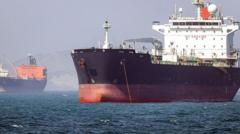
Oil Prices Decline Amid Strait of Hormuz Reopening Prospects
Global oil prices experienced a notable decline as diplomatic negotiations surrounding the Strait of Hormuz showed significant progress. The possibility of reopening this critical maritime passage has sparked renewed optimism in international energy markets, with traders anticipating a potential resumption of shipments through one of the world's most strategically important waterways.
The Strait of Hormuz remains a vital corridor for global energy commerce, with a substantial percentage of world oil exports transiting through its waters daily. Any disruption or closure of this passage has historically triggered immediate market volatility and price fluctuations. Conversely, announcements regarding potential reopening generate immediate positive sentiment among investors and energy sector analysts.
US Officials Announce Diplomatic Progress
US Secretary of State Marco Rubio confirmed that negotiations have advanced substantially, indicating constructive discussions with relevant parties to facilitate the resumption of maritime traffic. Rubio's statement underscored the administration's commitment to stabilizing global energy supplies and reducing geopolitical tensions that could impact oil markets.
Treasury Secretary Scott Bessent echoed these sentiments, emphasizing that progress in talks represents a significant step toward restoring normal shipping operations. Bessent highlighted the economic implications of resumed trade through the Strait of Hormuz, noting that restored supply chains would contribute to broader market stability and potentially moderate energy costs worldwide.
Market Impact and Energy Market Stability
The announcement has influenced trader behavior across petroleum exchanges, with West Texas Intermediate and Brent crude futures reflecting the improved outlook. Energy market stability depends significantly on uninterrupted access to major shipping routes, and any constraints typically result in premium pricing as markets compensate for supply uncertainty.
Investment analysts suggest that if negotiations conclude successfully, the energy market could experience downward pressure on prices as concerns about supply disruptions diminish. This scenario would benefit consumers globally while potentially relieving inflationary pressures tied to elevated crude costs.
Geopolitical Context and International Relations
The Strait of Hormuz dispute reflects broader geopolitical tensions in the Middle East. Previous closures or threats to restrict passage through this chokepoint have generated significant market anxiety, prompting energy traders to increase positions in volatile instruments and driving crude valuations higher.
Successful conclusion of current negotiations would represent a meaningful diplomatic achievement, demonstrating that multilateral engagement can resolve critical infrastructure disputes. The talks involve complex discussions regarding maritime access rights, security protocols, and assurances from multiple international stakeholders.
Implications for Global Supply Chains
Reopening the Strait of Hormuz would restore essential connectivity for global commerce beyond petroleum alone. Shipping companies, manufacturers, and importers worldwide depend on reliable access to this maritime route for efficient supply chain operations.
Energy sector analysts emphasize that restored shipping capacity would diversify export routes and reduce dependence on alternative pathways, many of which involve longer transit times and higher transportation costs. These operational improvements would cascade throughout downstream industries, potentially reducing overall logistics expenses.
Looking Forward: Energy Market Outlook
As diplomatic discussions continue, energy market participants remain cautiously optimistic regarding eventual resolution. However, traders maintain awareness that negotiations could encounter unexpected obstacles or complications that might derail progress.
The current trajectory suggests that successful reopening of the Strait of Hormuz remains achievable in the near term, contingent upon continued diplomatic engagement and good-faith cooperation among involved parties. Market observers will closely monitor official statements and negotiation updates for indicators of momentum or potential setbacks.


