Parliament Fire Risk: Westminster Faces Critical Renovation Crisis
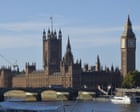
Palace of Westminster Faces Critical Fire Risk Without Urgent Action
The Palace of Westminster fire risk has become increasingly critical as a parliamentary committee warns that MPs must prioritize immediate funding decisions for comprehensive renovations. Without swift intervention, the Grade I-listed building and UNESCO World Heritage site could face a catastrophic event comparable to the Notre Dame fire that devastated Paris in 2019. The Palace of Westminster fire risk represents one of the most pressing infrastructure challenges facing the UK Parliament today.
Escalating Maintenance and Refurbishment Costs
A recent parliamentary report has revealed alarming projections regarding the financial burden of maintaining and restoring the historic building. The cost of essential maintenance operations could soon escalate to approximately £2 million per week, a figure that underscores the severity of the situation. This substantial expenditure includes the implementation of round-the-clock security patrols specifically designed to mitigate fire hazards and other potential dangers that could compromise the structural integrity of the complex.
The relentless rise in renovation expenses reflects the complexity and scale of the restoration project. Expert assessments indicate that delaying action will only compound the financial requirements, making early intervention not only a safety imperative but also an economically prudent decision. The longer Parliament postpones comprehensive refurbishment plans, the more deterioration occurs within the building's systems and infrastructure.
Historical Significance and Heritage Protection Challenges
As a Grade I-listed monument and UNESCO World Heritage designation, the Palace of Westminster presents unique restoration challenges. The building's architectural and historical importance demands that any renovation work maintain authentic design elements while incorporating modern safety standards. This dual requirement complicates the refurbishment process, necessitating specialized expertise and careful planning to preserve the structure's cultural significance.
The UNESCO World Heritage status means that interventions must meet stringent international standards for heritage conservation. Any restoration project must balance fire safety modernization with the imperative to protect irreplaceable historical features, making the decision-making process particularly complex and sensitive.
Recurring Delays and Disagreement Over Restoration Strategy
Parliamentary decisions regarding the initiation and execution of full restoration work have faced repeated postponements due to persistent disagreements about the most appropriate methodology and implementation timeline. These delays have proven counterproductive, as they allow the building's condition to deteriorate further and increase the eventual cost burden.
Different stakeholders within Parliament maintain varying perspectives on how the restoration should proceed. Some advocate for phased approaches to minimize disruption to parliamentary operations, while others argue that comprehensive, immediate intervention would prove more cost-effective in the long term. These conflicting viewpoints have resulted in a stalemate that leaves the building increasingly vulnerable to structural and safety risks.
Fire Safety Concerns and Catastrophic Risk Assessment
The parliamentary committee's comparison of potential risks to the Notre Dame fire highlights the genuine danger facing the Palace of Westminster. The 2019 Notre Dame catastrophe demonstrated how quickly historical structures can become engulfed in flames, resulting in devastating loss. The Palace of Westminster, with its extensive wooden interiors, historic electrical systems, and intricate architectural features, presents comparable vulnerability profiles.
Fire safety experts have consistently emphasized that the building's age, materials composition, and infrastructure present significant combustion risks. The cramped interior spaces, ornate wooden features, and aged mechanical systems create an environment where fire could spread rapidly if ignited. The 24-hour patrol system currently in place represents an interim protective measure, but such intensive human monitoring is neither sustainable nor sufficient as a long-term safety solution.
Path Forward: Urgent Funding and Decision-Making Required
The parliamentary committee's findings underscore the critical necessity for MPs to reach consensus on restoration funding and implementation strategy. Continued postponement of these decisions exposes the building, its occupants, and invaluable historical treasures to unacceptable risk levels. The mounting financial projections provide a clear economic argument for immediate action alongside the compelling safety rationale.
Securing adequate funding and establishing clear restoration protocols must become parliamentary priorities. The stakes extend beyond mere financial considerations to encompass public safety, heritage preservation, and institutional continuity. The Palace of Westminster represents not only the seat of British democracy but also a treasured cultural monument whose loss would constitute irreplaceable damage to national heritage.