
Power Banks Security Alert: What Airlines Want You to Know Before Flying
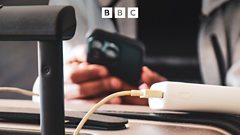
Understanding the Power Banks on Aircraft Safety Initiative
A significant safety campaign regarding power banks on aircraft has emerged as a critical concern for the aviation industry. Airlines worldwide are intensifying their efforts to educate passengers about the proper handling and transportation of power banks during flights, highlighting the importance of understanding power banks on aircraft regulations before travelers board their planes.
This initiative represents a coordinated effort among major carriers to prevent incidents related to lithium-ion batteries, which are the primary power source in most modern portable chargers. The campaign emphasizes that passengers should check their devices thoroughly before proceeding through airport check-in procedures.
Why Power Banks Pose a Risk at High Altitude
Power banks contain lithium-ion batteries that can pose unexpected hazards in the unpressurized cargo holds of aircraft. These batteries are susceptible to thermal runaway—a chain reaction that can lead to rapid temperature increases and potential fires. The combination of altitude, pressure changes, and temperature fluctuations creates an environment where malfunctioning power banks become particularly dangerous.
The Federal Aviation Administration and international aviation authorities have documented numerous incidents where defective or damaged power banks have triggered cabin alarms and, in extreme cases, required emergency interventions. These occurrences have prompted airlines to strengthen their pre-flight screening protocols and passenger education programs.
Key Safety Guidelines for Travelers
Inspection Before Check-In
Before arriving at the airport, passengers should carefully inspect their power banks for signs of damage, swelling, or corrosion. Any device showing these warning signs should be replaced rather than packed. Airlines recommend that travelers test their power banks to ensure they function properly and do not exhibit unusual heating patterns.
Proper Packing Requirements
Power banks must be carried in carry-on luggage rather than checked baggage. This requirement allows flight attendants to monitor the devices and respond immediately if any issues arise. Passengers should keep power banks in protective cases and avoid exposing them to extreme temperatures before boarding.
Quantity Restrictions
Most airlines limit the number of power banks passengers can bring aboard. Typically, travelers are permitted to carry two or three fully charged power banks in their carry-on bags. These limitations help prevent scenarios where multiple defective devices could create compounding risks.
Airline Implementation of New Safety Measures
Major carriers have updated their baggage screening procedures to include enhanced scrutiny of power banks. Security personnel have received specialized training to identify suspicious devices and educate passengers about compliance requirements. Some airlines now require passengers to declare power banks at check-in and provide information about the device's capacity and specifications.
Digital signage throughout airports and boarding areas has been installed to remind passengers about power bank regulations. Airlines have also incorporated this information into pre-flight safety demonstrations and passenger communications, ensuring that awareness reaches a broad audience.
Understanding Lithium Battery Regulations
International aviation authorities classify lithium batteries as dangerous goods when shipped in certain quantities. The International Air Transport Association has established strict guidelines governing how these batteries can be transported on commercial flights. These regulations distinguish between batteries in devices and spare batteries, with spare batteries subject to more stringent restrictions.
Passengers should be aware that the watt-hour rating of their power banks determines regulatory compliance. Devices with capacities exceeding 160 watt-hours may face additional restrictions or be prohibited entirely on passenger flights.
What Passengers Should Do Before Their Next Flight
To ensure safe and compliant travel, passengers should review their airline's specific power bank policies on official websites. Calling the airline's customer service team can provide clarity about device restrictions and proper packing procedures. Passengers traveling internationally should check regulations for both departure and destination countries, as requirements may vary.
Documenting power bank specifications, including capacity in milliampere-hours or watt-hours, can expedite airport security processes. Keeping purchase receipts or product information readily available demonstrates compliance and helps resolve any questions from airport personnel.
The Broader Impact on Air Travel Safety
This comprehensive safety campaign reflects the aviation industry's commitment to protecting passengers and crew members. By proactively addressing potential hazards associated with power banks on aircraft, airlines are reducing risks and preventing incidents before they occur. The campaign also demonstrates how modern air travel safety depends on both technological solutions and passenger education.
As portable electronic devices become increasingly prevalent in passenger luggage, continued vigilance and communication about power bank safety remain essential. Travelers who understand and follow these guidelines contribute directly to maintaining the safety standards that make commercial aviation one of the world's safest modes of transportation.


