'Rochdale's Chernobyl' warning as kids risk lives to explore world's largest asbestos factory
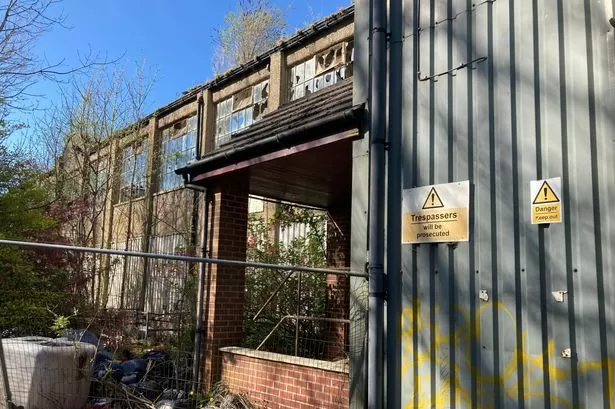
The Turner Brothers factory in Rochdale, England, holds a significant place in history as the world's largest asbestos manufacturer. For decades, this factory was a hub of activity, providing jobs and contributing to the local economy. However, as the dangers of asbestos became known, the factory was forced to shut down, leaving behind a massive abandoned site. Despite its deserted state, the Turner Brothers factory continues to attract a different kind of crowd - adventurous youngsters who are drawn to its mysterious and eerie atmosphere.
The Turner Brothers factory was established in 1871 and quickly became a major player in the asbestos industry. Asbestos, a naturally occurring mineral, was widely used in construction and manufacturing due to its heat-resistant and insulating properties. The factory produced a variety of asbestos products, including insulation, roofing materials, and even protective gear for firefighters. At its peak, the factory employed over 2,000 workers and was a significant source of employment for the people of Rochdale.
However, in the 1960s, the harmful effects of asbestos on human health were discovered, leading to a decline in its use. As the demand for asbestos products decreased, the Turner Brothers factory struggled to stay afloat. In 1991, the factory was finally shut down, leaving behind a massive complex of buildings and machinery that once buzzed with activity.
For years, the abandoned factory stood as a reminder of a bygone era. But as time passed, the site became a popular spot for urban explorers and thrill-seekers. Despite warnings from authorities and the potential dangers of exploring an abandoned industrial site, youngsters continue to flock to the Turner Brothers factory. They are drawn to the site's eerie and desolate atmosphere, with its crumbling buildings, rusted machinery, and overgrown vegetation.
One of the main attractions for these young adventurers is the factory's iconic water tower. Standing at 150 feet tall, the tower is a prominent feature of the Rochdale skyline and can be seen from miles away. It has become a popular spot for daredevils to climb, offering a breathtaking view of the surrounding area. However, this activity is not without risk, as the tower is in a state of disrepair and has been deemed unsafe by authorities.
Despite the potential dangers, the Turner Brothers factory continues to attract youngsters from all over the country. Some come to explore the site's history and learn about the once-thriving asbestos industry, while others are simply looking for an adrenaline rush. Whatever their reasons may be, these young explorers are keeping the memory of the Turner Brothers factory alive.
But it's not just thrill-seekers who are drawn to the abandoned factory. The site has also become a popular location for photographers and filmmakers, who are captivated by its haunting beauty. The decaying buildings and machinery provide a unique backdrop for creative projects, and the site has been featured in several music videos and films.
The local community has mixed feelings about the Turner Brothers factory and its new-found popularity. While some see it as a dangerous and unsightly nuisance, others appreciate the site's historical significance and the interest it generates. The factory has become a part of the town's identity, and many hope that it can be preserved and repurposed in the future.
Efforts have been made to secure the site and prevent unauthorized access, but it remains a challenge to keep out determined explorers. The local authorities have also expressed concerns about the potential health hazards of the site, as asbestos fibers can still be found in the buildings and surrounding areas. They urge visitors to stay away and not put themselves at risk.
The Turner Brothers factory may have been abandoned for decades, but its legacy lives on. It serves as a reminder of a time when asbestos was a booming industry and a source of livelihood for many. And while it may no longer be a functioning factory, it continues to attract a different kind of crowd - one that is fascinated by its history and drawn to its mysterious allure.