
Romania Closes Nuclear Reactor as Danube Water Levels Plummet
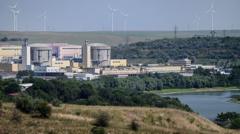
Romania's Nuclear Facility Forced Into Emergency Shutdown
Romania has been compelled to temporarily suspend operations at its primary nuclear plant as unprecedented drought conditions have severely diminished water availability in the Danube River. The Cernavodă facility, which represents a critical component of the nation's electrical infrastructure, halted production due to insufficient cooling water required for safe reactor operation. This nuclear plant shutdown marks a significant challenge for Romania's energy stability during a period of elevated power demand.
Scale of the Energy Impact
The shutdown of the Cernavodă installation carries substantial implications for Romania's power grid. The facility normally supplies approximately one-fifth of the country's total electricity generation, making it the single most important nuclear energy source in the nation. With this nuclear plant offline, the country faces potential shortages and increased reliance on alternative energy sources, many of which carry higher operational costs and environmental considerations.
Environmental Factors Behind the Closure
The primary catalyst for this decision involves the dramatic decline in Danube River water levels. Extreme heat waves and prolonged drought conditions across Central Europe have created historically low water conditions in Europe's second-longest river system. The Cernavodă plant depends on consistent water supply from the Danube for thermal cooling purposes, which is essential for maintaining safe operating parameters. When water levels drop below minimum thresholds, reactor operators must implement protective shutdown protocols.
Climate Conditions Contributing to the Crisis
The broader context involves exceptional meteorological circumstances affecting the entire European continent. Unseasonable temperatures and insufficient precipitation have created perfect conditions for water scarcity across multiple river systems. The Danube River has experienced some of the lowest water levels recorded in recent decades, affecting navigation, irrigation, and industrial operations throughout the region. These climate-driven conditions have forced multiple European nations to reassess their energy infrastructure reliability.
Recovery Timeline and Operational Expectations
Officials indicate that the nuclear plant will not resume normal operations within the immediate ten-day window. The extended timeline reflects both the persistence of drought conditions and the cautious approach nuclear facility operators must maintain regarding safety protocols. Authorities continue monitoring Danube water levels and temperature conditions to determine when conditions will permit safe reactor restart.
Uncertainty Surrounding Restoration
The exact duration of this suspension remains difficult to predict. While a return to operations within two weeks is technically possible, energy analysts acknowledge that water levels in the Danube may remain problematic for an extended period. This uncertainty complicates planning for Romania's power distribution network and requires careful coordination with neighboring countries that share electrical grid infrastructure.
Broader Energy Security Implications
This incident illuminates vulnerabilities within Europe's energy crisis preparedness. As climate patterns become increasingly unpredictable, nations relying heavily on water-dependent power generation face mounting operational risks. The Cernavodă shutdown demonstrates how environmental factors can rapidly impact energy security, regardless of technological sophistication or infrastructure investment.
Alternative Energy Sources and Grid Management
Romania's energy operators are currently expanding capacity from natural gas and renewable energy facilities to compensate for the missing nuclear generation. However, seasonal constraints on wind and hydroelectric production limit these alternatives during summer months. The nation may need to consider importing electricity from neighboring countries, adding to operational costs during this extended outage period.
Precedent and Future Vulnerabilities
This situation is not unprecedented in European nuclear operations. Similar shutdowns have occurred in France and other nations during extreme weather events. Nevertheless, the frequency of such occurrences raises questions about whether current design standards and operational protocols adequately account for increasingly severe climate impacts. The nuclear plant shutdown serves as a reminder that even advanced facilities must adapt to changing environmental realities.
Regional and European Context
The Danube River situation affects multiple nations and industries beyond energy production. Agriculture, shipping, and water supply systems across southeastern Europe face concurrent challenges. Coordinated responses among Danube Basin countries may be necessary to address both immediate crises and long-term infrastructure resilience. European Union initiatives addressing climate adaptation are taking on renewed importance in light of these developments.
Conclusion
The closure of Romania's primary nuclear plant due to diminished Danube River water levels highlights the intersection of climate vulnerability and energy infrastructure. As the nation navigates this temporary outage, policymakers must weigh immediate energy security concerns against long-term sustainability requirements. The incident underscores why robust, diversified energy portfolios become increasingly essential in an era of climatic uncertainty and environmental extremes.


