
Suffolk Wildfire Grows Unpredictably as Firefighters Extend Operations
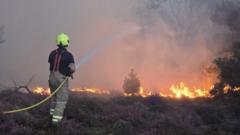
Suffolk Wildfire Shows Unpredictable Growth Pattern
The Suffolk wildfire remains an active threat along the coastline, displaying unpredictable behavior that continues to challenge emergency response teams. Fire service officials have confirmed that the Suffolk wildfire shows no signs of slowing down, with expansion rates varying throughout the day due to changing wind conditions and terrain challenges.
Extended Operations Expected
Firefighters anticipate remaining at the scene for a minimum of 48 additional hours as containment efforts intensify. The sustained presence of emergency personnel underscores the complexity and scale of the current situation. Officials have emphasized that this timeline may extend further depending on weather developments and the fire's behavioral patterns.
Unpredictable Fire Behavior Complicates Containment
The Suffolk wildfire's erratic nature presents significant obstacles for ground and aerial crews. Firefighters report that flames jump unpredictably between vegetation zones, making traditional containment strategies less effective. Wind shifts throughout the day have repeatedly altered the fire's trajectory, forcing tactical adjustments and reallocation of resources to threatened areas.
Fire Service Response Strategy
The fire service has mobilized extensive resources to combat the spreading blaze. Multiple teams coordinate containment efforts across multiple fronts, establishing firebreaks and conducting strategic burns to eliminate fuel sources ahead of the main fire line. Helicopter units assist with water drops to critical zones where ground access proves difficult or dangerous.
Community Impact and Evacuation Status
Local residents have been advised to remain vigilant and prepared for potential evacuation orders. The fire service maintains regular communication with affected communities, providing updates on the Suffolk wildfire's progression and safety recommendations. Officials urge residents in proximity to maintain emergency supplies and monitor official channels for developments.
Weather Conditions Affecting Operations
Meteorological factors play a crucial role in the wildfire's behavior. Dry conditions and variable winds continue to fuel rapid spread, while cooler evenings provide brief windows for enhanced firefighting efforts. The forecast indicates potential changes in atmospheric conditions that could either assist or complicate ongoing containment operations in the coming days.
Resource Mobilization and Support
The fire service has called upon additional resources from neighboring regions to support the extensive operation. Reinforcements include specialized equipment, additional personnel, and support vehicles designed for prolonged wildfire management. This coordinated regional response demonstrates the scale and severity of the current emergency.
Safety Measures for Personnel
Firefighter safety remains paramount throughout the operation. Crews work in rotating shifts to maintain alertness and prevent exhaustion-related incidents. Advanced monitoring systems track air quality and environmental hazards to protect personnel from smoke exposure and other health risks associated with prolonged wildfire firefighting.
Monitoring and Reporting
Continuous surveillance of the Suffolk wildfire allows fire service coordinators to track changes in real-time. Aerial reconnaissance combined with ground-based observation posts provides comprehensive coverage of affected territories, enabling rapid response to emerging threats and shifting fire patterns throughout the operational zone.


