The U.S. and Israel Killed Ayatollah Ali Khamenei. What Comes Next?
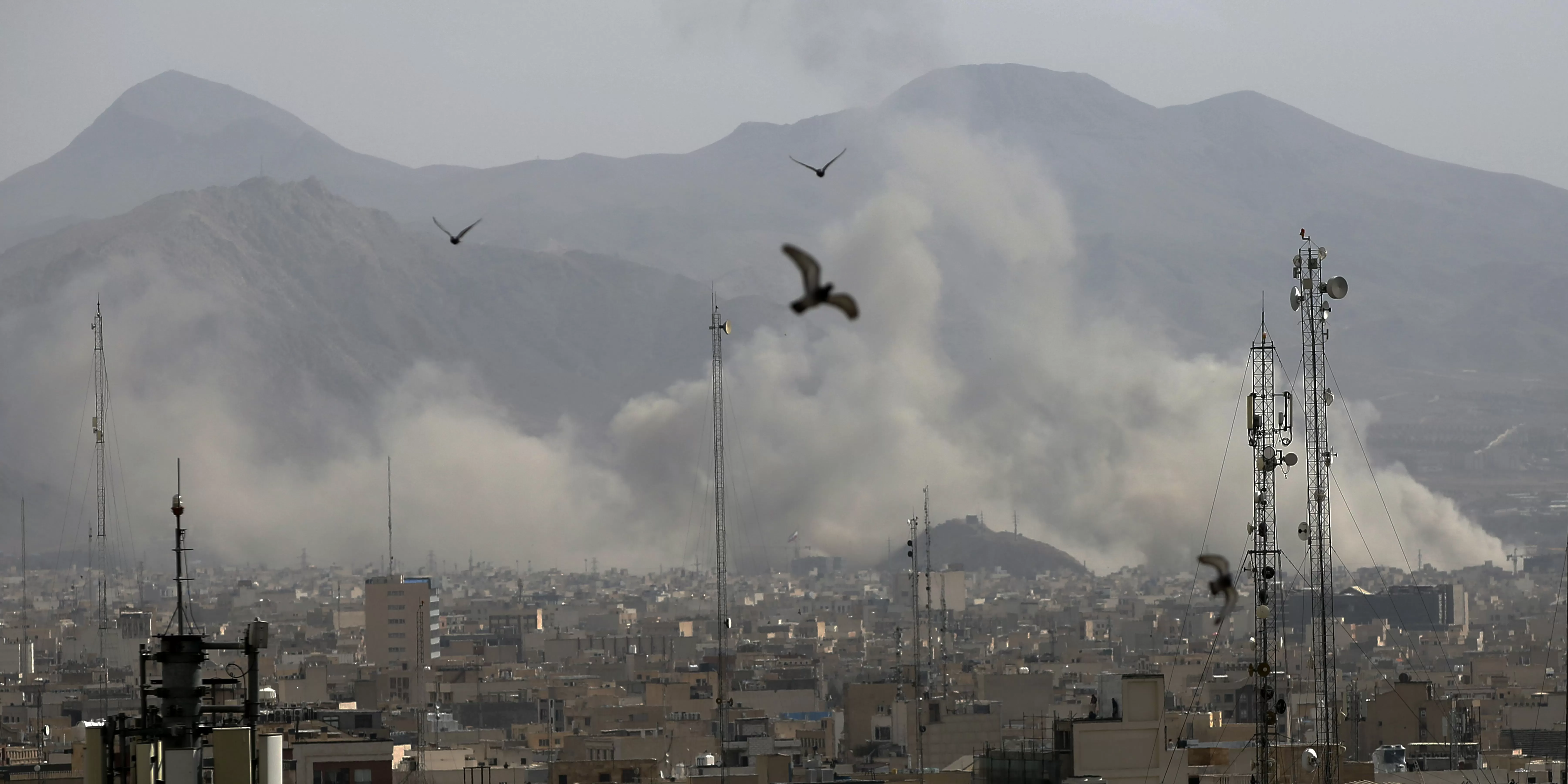
In a recent post on The Intercept, journalist Mehdi Hasan made a bold statement about the United States and Israel's recent killing of Ayatollah Ali Khamenei, the leader of Iran. According to Hasan, this action sends a clear message to any potential adversaries of the U.S.: get nuclear weapons. He argues that the concept of "hedging" is not a sustainable strategy for countries seeking to defend themselves against aggressive superpowers.
The killing of Khamenei by the U.S. and Israel has been met with mixed reactions from around the world. Some see it as a bold move to eliminate a dangerous enemy, while others view it as a reckless escalation of tensions in the already volatile Middle East. But regardless of one's stance on the matter, Hasan raises a valid point that needs to be addressed.
For years, smaller nations have been advised to pursue a strategy of "hedging" when dealing with the world's superpowers. This involves seeking protection from multiple allies, forming strategic partnerships, and building up a strong military to deter any potential aggression. However, the killing of Khamenei has shattered this belief. It has shown that no amount of hedging can protect a nation from the wrath of the U.S. and its allies.
This is not the first time that the U.S. has taken aggressive action against a foreign leader. In recent years, we have seen the killing of Osama Bin Laden, Muammar Gaddafi, and now Khamenei. Each of these events has sent a clear message to the world: the U.S. has the power and will to strike anyone, anywhere, at any time. And with the advancement of technology and weapons, this message becomes even more intimidating.
One may argue that the U.S. and its allies have the right to defend themselves and eliminate threats to their security. However, the problem arises when this logic is applied selectively. The U.S. has a history of turning a blind eye to the actions of its allies, even when they violate international law and commit heinous crimes. This double standard only fuels mistrust and animosity towards the U.S. and its allies.
Moreover, the killing of Khamenei could have grave consequences for the region and the world as a whole. It has already led to increased tensions between the U.S. and Iran, with the latter vowing to retaliate. This could potentially escalate into a full-blown conflict, with devastating consequences for both sides and the innocent civilians caught in the crossfire.
But perhaps the most concerning aspect of this action is the message it sends to other nations. As Hasan points out, countries like North Korea, Russia, and even China will see this as a warning to build up their nuclear capabilities. They will no longer see hedging as a viable strategy and will instead focus on developing weapons of mass destruction to protect themselves from potential aggression. This could set off a dangerous arms race and increase the likelihood of a catastrophic nuclear war.
In conclusion, the killing of Ayatollah Ali Khamenei by the U.S. and Israel has sent a clear message to the world. It has shown that no amount of hedging can protect a nation from the wrath of the superpowers. This should be a wake-up call for all nations to come together and find peaceful solutions to conflicts. As history has shown, aggression only begets more aggression. It is time for the U.S. and its allies to re-evaluate their actions and work towards building a more peaceful and just world, rather than perpetuating a vicious cycle of violence.