Top London Chefs Expand to Gulf States Amid UK Tax Concerns
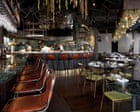
London's Premier Restaurants Seek Expansion in Gulf Markets
Several of London's most celebrated dining establishments are strategically expanding their operations to Gulf states, driven by mounting concerns over taxation and workforce dynamics in the United Kingdom. This trend reflects a broader shift in how prominent restaurateurs are evaluating their business portfolios and seeking new markets for growth. The decision to establish locations in Gulf countries represents a significant move for Britain's culinary elite, signaling changing priorities in the hospitality industry.
The Tax Challenge Driving Expansion
Leading industry figures cite what they describe as a "tax tsunami" sweeping across the United Kingdom as a primary motivation for international expansion. James Robson, co-proprietor of Fallow, the acclaimed St James's Market restaurant that serves approximately 1,000 diners daily, recently finalized an agreement to launch a Gulf location. His decision exemplifies a growing pattern among London's top-tier establishments seeking to diversify their revenue streams and reduce their exposure to UK tax obligations.
The financial pressures facing restaurants in London have become increasingly severe, with multiple levies and regulatory requirements compounding operational costs. Restaurateurs report that establishing ventures in Gulf states provides relief from these burdens, allowing them to reinvest capital more effectively into their establishments and secure better returns on investment.
Gulf States' Business-Friendly Environment
Beyond taxation advantages, prominent restaurateurs highlight that Gulf countries actively facilitate business establishment and growth. These nations offer streamlined regulatory processes, competitive incentives for foreign entrepreneurs, and stable political environments that appeal to UK investors. The proactive approach taken by Gulf governments to attract premium hospitality brands contrasts sharply with what many view as an increasingly challenging operating landscape in Britain.
Dubai and other Gulf emirates have positioned themselves as destinations for luxury brands and high-end establishments, creating attractive opportunities for London's celebrated restaurants seeking international presence. The infrastructure in these regions, combined with wealthy demographics and tourism demand, provides fertile ground for premium dining concepts.
Workforce Quality and Work Ethic Considerations
Beyond financial considerations, restaurateurs emphasize that east Asian and Gulf markets demonstrate superior work ethic compared to available labor pools in the UK. This perception influences decisions about where to allocate resources and expand operations. The ability to build dedicated teams with strong commitment to service standards represents an important factor in calculating the viability of international expansion.
These workforce dynamics translate into operational efficiencies and service quality that directly impact customer satisfaction and business profitability. For establishments like Fallow, which maintains rigorous standards serving thousands of guests daily, this consideration carries substantial weight in strategic planning.
Market Implications for UK Hospitality
The migration of London's leading restaurateurs to Gulf locations raises questions about the future competitiveness of Britain's hospitality sector. As top-tier establishments diversify internationally, they inevitably reduce their focus and capital investment in their London operations. This shift could affect the composition and caliber of dining options available in the British capital.
Industry observers note that the expansion decisions reflect deeper structural challenges facing UK businesses across sectors. When prominent companies choose to establish primary operations abroad due to tax and operational concerns, it signals systemic issues requiring attention from policymakers and business leaders alike.
Strategic Considerations for International Expansion
For restaurateurs pursuing Gulf expansion, the decision involves careful evaluation of numerous factors beyond immediate financial benefits. Brand reputation, customer expectations, supply chain logistics, and cultural adaptation all require strategic consideration. Successful international expansion requires translating culinary excellence and service standards across different markets while maintaining the authenticity that makes these establishments prominent in London.
James Robson's decision to establish a Gulf outpost demonstrates that London's finest restaurants view international diversification as essential to long-term sustainability and growth. This movement reflects confidence in their brands' appeal to global audiences while simultaneously acknowledging the challenges of operating premium establishments within the current UK business environment.