
Trump Denies Military Weapons Shortage Amid Leaked Intelligence Reports
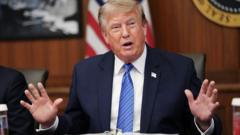
Trump Addresses Military Weapons Supply Concerns
Former President Donald Trump has firmly rejected assertions regarding a US military weapons shortage, characterizing the situation as misinformation spread through unauthorized channels. The controversy surrounding US military weapons shortage continues to generate significant debate within defense and political circles, with Trump insisting that America's armament capabilities remain robust and fully operational.
According to Trump's recent statements, those responsible for disseminating sensitive information about military capabilities face severe consequences. He emphasized that individuals engaged in leaking classified or sensitive material would be vigorously investigated and held accountable for their actions.
Classified Data and Public Information
While comprehensive data regarding specific military inventory levels remains classified under national security protocols, accessible public information indicates the United States has depleted substantial quantities of specialized weaponry systems. These weapons systems require sophisticated manufacturing processes and extended production timelines, presenting unique logistical challenges for defense departments.
The distinction between classified assessments and publicly available information has become increasingly relevant in discussions about military readiness. Intelligence agencies maintain strict protocols governing what information can be disclosed to the general public, which creates occasional gaps between official government statements and independently verified data.
Intelligence Leaks and Security Concerns
Trump's comments regarding the "hunting down" of information leakers underscore heightened tensions surrounding national security and the unauthorized disclosure of sensitive material. The pursuit of individuals responsible for breaching classification protocols represents a broader government initiative to strengthen information security across military and intelligence establishments.
Previous incidents involving leaked military information have resulted in substantial diplomatic and strategic complications. Officials have repeatedly warned that premature or unauthorized disclosure of weapons systems data, supply chains, or inventory levels can compromise national interests and provide adversarial nations with critical intelligence advantages.
Manufacturing Challenges in Modern Weaponry
The production of advanced military weapons involves intricate engineering, rare materials, and highly specialized manufacturing expertise. Unlike conventional ammunition or standard equipment, sophisticated weapons systems demand extended development and fabrication periods. This reality creates inherent challenges in rapidly replenishing depleted stockpiles during periods of sustained military operations or increased international tensions.
Defense contractors and military planners have acknowledged that certain weapons categories face supply constraints due to manufacturing capacity limitations. These constraints are not unique to the United States but represent a broader global phenomenon affecting defense industries worldwide.
Government Response and Future Outlook
The Trump administration's response to questions about military readiness emphasizes continued confidence in America's defensive capabilities. Officials maintain that strategic reserves and ongoing procurement programs ensure sufficient weaponry for national security requirements.
Future discussions regarding US military weapons shortage will likely require balancing transparency with security imperatives. Policymakers must address public concerns about military preparedness while protecting classified information essential to national defense strategies.


