
Trump's Kushner Holds Breakthrough Gaza Peace Talks With Hamas
Unprecedented Diplomatic Encounter on Gaza Resolution
In a significant development for the Gaza peace plan efforts, Jared Kushner, serving as a key diplomatic representative for the Trump administration, has convened with senior Hamas officials to advance negotiations aimed at resolving the prolonged conflict in the Palestinian territories. This notable engagement represents a continuation of high-level diplomatic initiatives focused on achieving a comprehensive settlement in the region.
Context of the Meeting
The encounter between Kushner and Hamas leadership emerges precisely one week following Israel's decision to decline Trump's comprehensive Gaza peace plan. This timing underscores the complex diplomatic landscape surrounding Middle East negotiations, where multiple stakeholders maintain distinct positions on proposed solutions. Despite the Israeli government's reservations regarding the initial proposal, diplomatic channels remain active as various parties explore alternative pathways toward conflict resolution.
Strategic Importance of Direct Engagement
Direct dialogue between representatives of the Trump administration and Hamas represents a notable shift in diplomatic strategy. Historically, such discussions have been complicated by geopolitical tensions and differing approaches to peace-building. The willingness to engage in face-to-face discussions suggests renewed commitment to exploring negotiated settlements that address the humanitarian concerns and political objectives of all parties involved in the Gaza conflict.
The Trump Administration's Approach
Under the Trump administration's framework, Kushner has assumed a prominent role in Middle East diplomacy, leveraging his position as special envoy to facilitate conversations between historically opposed parties. His involvement in these Gaza peace plan discussions reflects a broader strategy to engage multiple stakeholders in constructive dialogue, regardless of previous diplomatic obstacles or mutual mistrust.
Israel's Position and Rejection
The Israeli government's rejection of the initial Gaza peace plan proposal indicates substantial disagreements regarding the proposed framework's terms and conditions. These objections likely center on security concerns, territorial considerations, and the mechanisms proposed for implementation. Understanding Israel's specific reservations remains crucial for any subsequent diplomatic progress and the formulation of revised proposals that address these fundamental concerns.
Hamas's Negotiating Stance
As a major political and military organization in Gaza, Hamas plays a central role in any potential resolution process. The organization's participation in discussions with Kushner suggests openness to exploring diplomatic solutions, though significant ideological and practical differences persist between Hamas and other parties. The group's willingness to engage reflects the complex reality that sustainable peace requires participation from all major stakeholders, regardless of their designated status in international relations.
Humanitarian Dimensions
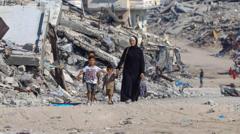
Beyond political maneuvering, the Gaza peace plan initiatives address urgent humanitarian needs affecting the civilian population in Gaza. Years of conflict have resulted in substantial civilian casualties, displaced persons, and deteriorating infrastructure. Any viable peace arrangement must account for these humanitarian imperatives while simultaneously addressing the security and political demands of all parties.
International Dimension
These diplomatic efforts occur within a broader international context, where various nations and organizations monitor developments closely. The involvement of the Trump administration signals American commitment to regional stability, while other international actors, including neighboring countries and global organizations, maintain their own interests and perspectives on potential outcomes.
Path Forward
The continuation of dialogue through meetings such as the Kushner-Hamas engagement suggests that despite significant obstacles, diplomatic channels remain functional. Future progress on the Gaza peace plan will likely depend on whether participating parties can identify common ground, build trust through incremental agreements, and develop frameworks that accommodate the essential requirements of multiple stakeholders. While the road to comprehensive peace remains challenging, sustained engagement represents a necessary prerequisite for any lasting resolution to the Gaza conflict.


