Twenty Women Suffered Unnecessary Breast Removal at NHS Trust
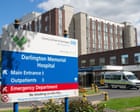
Unnecessary Breast Removal Cases Identified at NHS Trust
A significant patient safety incident has emerged at County Durham and Darlington foundation trust, where unnecessary breast removal procedures were performed on twenty women during cancer treatment. The trust, located in north-east England, has publicly acknowledged these cases as part of a broader investigation into harm affecting hundreds of patients treated at its breast unit.
The discovery of these unnecessary breast removal cases represents a serious breach in clinical standards and patient care protocols. Women who sought treatment for breast cancer discovered that surgical interventions they underwent were not medically justified, raising critical questions about the decision-making processes within the hospital department responsible for their care.
Scope of Patient Harm at the Breast Unit
The County Durham and Darlington foundation trust revealed to the BBC that the twenty documented cases of unnecessary breast removal represent only a portion of the total patient harm incidents linked to the breast unit. Hundreds of additional patients experienced complications, misdiagnosis, or substandard care during their treatment at this facility.
This broader context suggests systemic issues within the department rather than isolated medical errors. The trust's acknowledgment indicates that multiple aspects of patient management—from diagnostic procedures to surgical planning and post-operative care—may have fallen below established standards.
Impact on Patient Confidence and Trust
The revelation of unnecessary breast removal procedures has profound implications for patient confidence in NHS cancer care services. Women who underwent these unnecessary surgeries face both physical and psychological consequences, including body image concerns, loss of function, and emotional trauma from discovering their treatments were not medically required.
For those currently receiving care at NHS facilities, particularly those diagnosed with breast cancer, this incident raises concerns about treatment recommendations and the reliability of clinical judgment. Patient trust in healthcare providers depends on the certainty that treatment decisions are based on rigorous clinical assessment and established medical guidelines.
Regulatory Response and Investigation
The identification of these unnecessary breast removal cases has triggered formal investigations into the County Durham and Darlington foundation trust's operations. Regulatory bodies and health authorities are examining the clinical governance structures, training standards, and supervision mechanisms that failed to prevent these harmful outcomes.
Such investigations typically examine whether procedures followed approved protocols, whether clinicians had appropriate qualifications and experience, and whether adequate oversight mechanisms existed. The findings will inform recommendations for systemic improvements across the NHS.
Implications for Clinical Practice
The unnecessary breast removal incidents highlight the critical importance of second opinions, multidisciplinary team reviews, and adherence to evidence-based treatment guidelines in cancer care. Breast cancer treatment decisions should involve consultation with multiple specialists and careful consideration of less invasive alternatives when appropriate.
Medical professionals across the NHS will likely face renewed emphasis on documentation of clinical reasoning, involvement of patient in shared decision-making, and compliance with national guidance on breast cancer treatment protocols.
Moving Forward: Patient Support and Accountability
The County Durham and Darlington foundation trust faces significant responsibility in addressing the harm caused by unnecessary breast removal procedures. This includes providing appropriate compensation, psychological support, and reconstructive surgical options to affected women.
The trust must also implement comprehensive reforms to prevent similar incidents, including enhanced training programs, revised clinical pathways, and strengthened governance mechanisms. Transparency in reporting findings and recommendations will be essential to rebuilding public confidence in cancer care services at the trust.
Healthcare systems across England are observing this case closely, as it provides important lessons about the necessity of rigorous clinical oversight, particularly in surgical specialties where irreversible procedures are performed.