UK Emergency Stockpile Campaign Drives Bottled Water Sales Surge
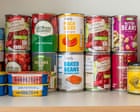
Bottled Water Sales Spike Following Government Emergency Alert
The United Kingdom has witnessed a remarkable surge in bottled water purchases following the government's emergency stockpile guidance to households. Retailers across the nation report unprecedented demand for essential supplies as the Be Ready campaign encourages citizens to maintain emergency reserves lasting a minimum of 72 hours.
This coordinated push by UK authorities aims to prepare citizens for potential disruptions caused by extreme weather events, infrastructure vulnerabilities, and emerging cyber-security threats. The bottled water sales increase reflects growing consumer awareness about the importance of emergency preparedness in an increasingly uncertain environment.
Retail Response to Emergency Preparedness Campaign
Major retailers have documented substantial increases across multiple product categories related to emergency supplies. Beyond bottled water, stores report heightened demand for tinned foods with extended shelf lives, essential items that provide nutritional security during emergencies. The surge extends beyond food and water to include critical survival equipment.
Wind-up radios and battery-powered torches have experienced parallel sales growth, as consumers recognize these items' importance for maintaining communication and visibility during power outages or infrastructure failures. Retailers indicate this represents coordinated household preparation rather than panic buying, with families methodically assembling comprehensive emergency kits.
Understanding the Be Ready Initiative
Launched in the previous week, the Be Ready campaign represents a significant government effort to enhance public resilience and emergency preparedness. The initiative specifically targets household decision-makers, encouraging them to establish robust emergency supplies that extend beyond traditional first aid considerations.
The campaign emphasizes practical preparation measures accessible to average households, focusing on achievable stockpiling targets and manageable supply quantities. Rather than promoting excessive hoarding, the initiative advocates for sensible emergency reserves that provide security without creating storage challenges or wastage concerns.
Range of Emergency Supplies in High Demand
The product categories experiencing increased sales reflect comprehensive emergency planning principles. Tinned food represents a cornerstone of emergency provisions, offering extended shelf life, nutritional completeness, and minimal preparation requirements during disruptions. Bottled water remains essential, as contamination risks increase during infrastructure breakdowns.
Communication devices and lighting solutions complete the emergency preparation picture. Wind-up radios provide news updates and emergency information without relying on electrical supply networks, while torches offer essential visibility during extended darkness. Together, these items create a basic but functional emergency household setup addressing critical needs during crisis scenarios.
Consumer Sentiment and Preparedness Awareness
This purchasing trend demonstrates increasing public recognition that emergency preparation represents practical household management rather than unnecessary precaution. Consumers actively respond to official guidance by taking concrete steps to protect their families and maintain essential services during potential disruptions.
The surge in bottled water sales and related emergency supplies indicates public understanding that infrastructure resilience faces genuine challenges in contemporary society. Climate change-related weather extremes, aging utility infrastructure, and evolving cyber-security threats create legitimate justification for household emergency planning.
Market Impact and Business Response
Retailers continue monitoring inventory levels as demand for emergency supplies remains elevated. Supply chains for bottled water, tinned foods, and survival equipment face increased pressure as consumer purchasing accelerates. Business analysts suggest this trend reflects sustained rather than temporary demand shifts, as households implement comprehensive emergency strategies.
The Be Ready campaign has successfully translated government messaging into concrete consumer action, with retailers serving as primary distribution points for emergency preparation goods. This coordinated response between public health authorities and retail networks demonstrates effective crisis communication and public engagement.
Long-Term Implications for Emergency Preparedness
The increased bottled water sales and emergency supply purchases may establish new consumer baseline expectations regarding household preparedness. Families implementing emergency plans now may maintain these practices indefinitely, treating emergency reserves as standard household components rather than temporary responses to specific threats.
This shift toward proactive household resilience represents meaningful progress in public health preparedness. When citizens maintain accessible emergency supplies, communities respond more effectively to genuine crises, reducing pressure on emergency services and healthcare systems during critical events. The Be Ready campaign appears to be achieving measurable success in this fundamental objective.