
UK Fuel Theft Skyrockets: £200,000 Daily Losses Since Iran Tensions Escalated
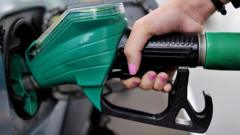
Alarming Rise in Fuel Theft Across British Forecourts
The United Kingdom is experiencing an unprecedented crisis as fuel theft UK incidents have reached critical levels, with approximately £200,000 in fuel being stolen from petrol stations every single day since tensions with Iran intensified. This alarming trend represents a significant challenge for the nation's energy sector and petroleum retailers who are struggling to combat organized and opportunistic criminal activity.
Industry analysts have documented compelling evidence that forecourt crime has escalated at an unprecedented rate, with data revealing that fuel theft incidents have jumped by approximately one-fifth over a five-month period. This substantial increase underscores a growing problem that extends beyond simple shoplifting, encompassing organized gangs, vehicular fuel siphoning, and coordination between multiple individuals to defraud fuel retailers.
Understanding the Scale of Petrol Station Theft
The staggering daily losses reported across UK fuel stations paint a stark picture of the economic impact on the petroleum retail industry. When multiplied across a month, the £200,000 daily theft figure translates to extraordinary financial losses that ultimately affect consumers through higher fuel prices and reduced investment in station infrastructure and services.
Petrol station theft encompasses various criminal methodologies. Some perpetrators fill containers and drive away without payment, while others engage in more sophisticated schemes involving payment card fraud or fuel voucher manipulation. The diversity of theft tactics has made it increasingly difficult for station operators to implement universal preventative measures.
Geopolitical Factors and Market Instability
Security analysts suggest that the timing of this surge in forecourt crime correlates with broader geopolitical uncertainties originating from Iran-related tensions. These international conflicts have created market volatility affecting fuel prices and consumer behavior patterns. When fuel prices fluctuate dramatically due to geopolitical events, criminal elements often exploit the uncertainty and consumer frustration to increase theft operations.
The Iran tensions have created a ripple effect throughout global energy markets, influencing supply chains and pricing mechanisms that ultimately impact UK petrol stations. This uncertainty may have motivated some individuals to resort to fuel theft as alternative economic pressures mount.
Industry Response and Prevention Measures
Fuel losses from forecourt crime have prompted retailers to implement increasingly sophisticated security technologies. Many stations have upgraded surveillance systems, installed advanced payment verification mechanisms, and enhanced staff training protocols to identify and prevent suspicious transactions.
Petrol station operators are collaborating with law enforcement agencies to combat organized theft rings. Police forces across the country have launched dedicated operations targeting fuel theft networks, with some regions establishing specialized task forces focused exclusively on forecourt crime.
Consumer and Economic Impact
The consequences of widespread fuel theft extend beyond retail locations. Higher theft rates translate into increased operational costs for petroleum retailers, costs that are frequently passed on to consumers through elevated fuel prices. This creates a challenging situation where honest consumers effectively subsidize criminal activity through marginally higher prices at the pump.
Additionally, fuel theft impacts the broader economy by diverting law enforcement resources toward criminal investigations that could address other security priorities. The social cost of organized fuel theft represents a significant drain on emergency services and judicial resources.
Looking Forward: Addressing the Crisis
Industry experts emphasize that combating fuel theft UK effectively requires coordinated action between petroleum retailers, law enforcement, government agencies, and technology providers. Investment in advanced security infrastructure, including facial recognition systems and automated payment verification, shows promise in reducing incidents.
The current trajectory of forecourt crime suggests that without immediate intervention, fuel theft losses will continue accelerating. Stakeholders recognize that addressing this crisis demands innovation, cooperation, and sustained commitment to preventing criminal activity at the point of sale.


