
Ukraine Removes Army Chief Following Backlash Over Military Leadership Changes
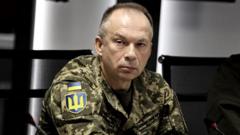
Ukraine's Top Military Commander Dismissed Amid Leadership Controversy
Ukraine's military commander has been removed from his position following intense public backlash over recent organizational changes within the country's Defense Ministry. The dismissal of the nation's top military commander marks a significant development in the ongoing restructuring of Ukraine's defense establishment, coming just days after initial personnel changes sparked widespread protests from both military personnel and civilian supporters.
Causes Behind the Military Commander Dismissal
The removal of the Ukraine military commander stems directly from public outcry surrounding the earlier dismissal of Defense Minister Mykhailo Fedorov, a popular figure within military circles and among the general population. Fedorov's removal triggered considerable backlash, forcing leadership to reconsider its approach to military administration during this critical period for the nation's defense structure.
The sequence of events demonstrates the delicate balance required when making significant changes to military leadership, particularly when such decisions affect popular officials who have garnered substantial support from both active military personnel and the broader public.
Public Response and Political Pressure
The dismissal of the military commander represents a direct response to the sustained pressure from various quarters demanding accountability and reconsideration of the earlier removal decisions. Multiple days of organized protests highlighted the public's concern about stability within the military hierarchy during challenging times for national security.
Demonstrations reflected deep concerns about continuity in defense operations and the importance of maintaining public confidence in military leadership. The intensity and duration of these protests underscored the significant impact that personnel decisions have on public morale and institutional credibility within Ukraine's defense sector.
Impact on Military Leadership Structure
The removal of the Ukraine military commander has created a leadership vacuum that requires careful attention to ensure operational continuity and institutional stability. Such high-level changes necessitate clear communication about succession plans and the strategic direction of military operations during an already challenging period.
Leadership transitions at this level typically involve careful consideration of organizational priorities, strategic objectives, and the need to maintain both internal cohesion and public confidence in defense institutions. The timing of these changes raises important questions about long-term planning and tactical decision-making within the military establishment.
Broader Implications for Ukraine's Defense
These personnel changes occurring within Ukraine's military command structure have implications extending beyond immediate organizational matters. The removal of both the military commander and earlier dismissal of the Defense Minister signal potential shifts in strategic direction or operational priorities within the defense establishment.
Maintaining effectiveness within defense operations requires stable leadership, clear communication channels, and strong institutional relationships. The disruption caused by these dismissals necessitates rapid stabilization and the establishment of new working relationships among remaining leadership personnel.
Future Outlook for Military Administration
As Ukraine navigates these personnel transitions, the focus must remain on ensuring that military operations continue effectively and that the defense establishment can adapt to new leadership while maintaining operational capability. The dismissal of the military commander following the earlier Defense Minister removal suggests an acknowledgment of concerns raised through public protest and may indicate a revised approach to military governance.
Moving forward, Ukraine's defense leadership will need to address ongoing organizational challenges while rebuilding public confidence in the stability and effectiveness of the military command structure. The way these transitions are managed could significantly influence both institutional morale and public perception of the government's commitment to effective national defense during this critical period.


