
Ukraine's Strikes Leave Crimea Facing Critical Fuel Emergency
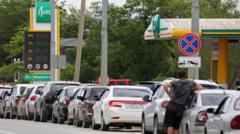
Ukraine's Strategic Campaign Disrupts Fuel Distribution Network
Ukraine's ongoing military operations have created a severe logistical challenge across occupied territories, as Ukraine targets Crimea fuel supplies and forces unprecedented restrictions on petroleum distribution. The combination of direct attacks on energy infrastructure and systematic disruption of supply corridors has resulted in the complete suspension of civilian fuel sales throughout the peninsula.
Escalating Fuel Shortages in Russian-Controlled Areas
Prior to the current halt, fuel supplies had already become critically limited due to successive strikes against transportation networks serving Russian-occupied Crimea. Kyiv's military strategy has focused on disrupting the flow of essential resources, including petroleum products that sustain both military and civilian operations in contested territories. The rationing measures implemented weeks earlier reflected growing pressure on available reserves.
Impact on Daily Life and Economic Activity
The suspension of fuel sales threatens to paralyze economic activity and civilian services across the peninsula. Hospitals, emergency services, and transportation networks depend heavily on petroleum supplies, and the current restrictions create significant humanitarian concerns. Agricultural operations and industrial facilities face severe operational challenges as access to fuel becomes virtually impossible for non-military users.
Strategic Military Considerations
Ukraine's targeting campaign reflects a broader military strategy aimed at weakening Russian operational capacity in occupied territories. By focusing on fuel infrastructure and supply logistics, Kyiv effectively constrains the mobility and operational capabilities of Russian forces. The strikes on supply routes have proven particularly effective, as they disrupt not only fuel distribution but also the transportation of other essential military and civilian goods.
Supply Route Vulnerabilities
The transportation corridors serving occupied Crimea have become increasingly vulnerable to Ukrainian operations. Kyiv's intelligence and military coordination have identified critical chokepoints in the supply network, enabling repeated strikes against fuel convoys and storage facilities. These operations create cascading effects throughout the occupied region's economy and infrastructure.
Regional Energy Crisis Deepens
The fuel emergency extends beyond Crimea, affecting other Russian-occupied territories where similar supply disruptions have occurred. The energy shortage in Eastern Europe's contested regions represents one of the most serious humanitarian challenges facing civilians trapped in these areas. Winter conditions amplify concerns about heating fuel availability and essential services.
Civilian and Infrastructure Consequences
Businesses dependent on fuel have largely ceased operations, and personal vehicle use has become severely restricted. Heating systems face potential failure as reserves dwindle, and backup power generation becomes impossible without petroleum supplies. The rationing system that previously attempted to distribute limited resources has now given way to complete unavailability for civilian purposes.
International Implications and Strategic Outcomes
The fuel supply disruption demonstrates the effectiveness of Ukraine's unconventional military approach, targeting critical infrastructure rather than direct military engagement. This strategy has prompted international discussion about the long-term sustainability of Russian operations in occupied territories and the viability of maintaining control over regions with severely degraded infrastructure.
The complete halt to fuel sales represents a critical juncture in the conflict's economic dimension. As Ukraine targets Crimea's energy infrastructure and supply networks with increasing precision, the occupied peninsula faces unprecedented challenges in maintaining basic services and economic functionality. The cascade effects of these disruptions extend far beyond fuel shortages, threatening food security, heating capacity, and medical services throughout the region.


