
Ukrainian Forces Target Major Russian Grain Export Infrastructure in Black Sea
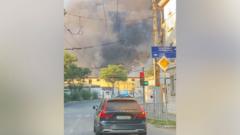
Russian Grain Export Infrastructure Under Attack
A significant offensive against Russian grain export terminals has escalated tensions in the Black Sea region, with Ukrainian forces directing strikes at critical shipping infrastructure. The attack on Russian grain export terminals represents a strategic shift in the ongoing conflict, as both nations intensify pressure on each other's logistical networks and maritime capabilities.
The targeting of Russian grain export terminals has created considerable disruption to international grain supply chains. These facilities serve as crucial hubs for the world's grain trade, and their damage has immediate consequences for global food security and agricultural markets. As Russian grain export terminals continue to face threats, the repercussions extend far beyond regional concerns, affecting commodity prices worldwide.
Declining Grain Exports and Shipping Disruptions
Both Russia and Ukraine have experienced dramatic reductions in grain shipments as a direct result of escalating military operations against port infrastructure. The mutual targeting of shipping facilities has created a precarious situation for global grain supplies, with export volumes declining sharply. Ships navigating the Black Sea now face increased risks, leading many operators to avoid the region entirely or demand significantly higher insurance premiums.
Ukraine has justified its operations against Russian grain export terminals by emphasizing the strategic importance of disrupting the adversary's economic capabilities. By targeting these facilities, Ukrainian forces aim to weaken Russia's revenue generation from agricultural exports while simultaneously protecting their own territorial interests. The strategy reflects the broader reality that modern conflicts increasingly focus on economic infrastructure alongside military targets.
Impact on Global Agricultural Markets
The disruption to Russian grain export terminals has sent ripples through international markets. Traders and agricultural businesses worldwide face uncertainty regarding supply availability and pricing. Russia traditionally ranks among the world's leading grain exporters, making any interruption to its export capacity a matter of international concern. Wheat, barley, and other grain prices have fluctuated significantly in response to the infrastructure attacks and the unpredictable nature of Black Sea shipping.
Insurance costs for vessels transiting the region have increased substantially, adding another layer of economic pressure to grain exporters. Shipping companies must weigh the potential profitability of moving cargo against the heightened risks of operating in contested waters. This financial calculus has led many to redirect routes or simply suspend operations temporarily until conditions stabilize.
Mutual Economic Warfare Through Port Targeting
The pattern of attacks on Russian grain export terminals reflects a broader strategy of economic attrition employed by both belligerents. By concentrating firepower on commercially vital infrastructure, both nations seek to undermine each other's ability to generate revenue and maintain economic stability. Ukraine's targeting of Russian grain export terminals should be understood within this context of comprehensive economic conflict.
Russia has reciprocated with strikes against Ukrainian port facilities and grain storage infrastructure. This tit-for-tat dynamic has created an increasingly hostile environment for maritime commerce in the Black Sea. Neither side shows signs of restraint, suggesting that attacks on grain export infrastructure will likely persist as long as the broader conflict continues.
Long-Term Consequences for Food Security
The sustained damage to Russian grain export terminals and Ukrainian shipping facilities threatens food security in regions dependent on Black Sea grain supplies. North Africa, the Middle East, and parts of Asia rely heavily on grain imports from this region. Any prolonged interruption to exports from these countries could trigger food price inflation and potential shortages in vulnerable populations.
International observers and humanitarian organizations have raised concerns about the humanitarian implications of targeting grain export infrastructure. While both nations view such operations as militarily justified, the global impact on food access cannot be ignored. The international community faces pressure to broker agreements protecting civilian-oriented agricultural infrastructure from military attacks.
Future Outlook for Trade and Stability
Until a sustainable ceasefire or diplomatic resolution emerges, disruptions to Russian grain export terminals and broader Black Sea commerce are likely to continue. Alternative export routes through the Danube River and land corridors have been partially developed, but they offer insufficient capacity to replace direct maritime exports. Investors and traders must adapt to prolonged uncertainty in the region's agricultural export sector.
The targeting of Russian grain export terminals underscores how modern conflicts extend beyond traditional battlefields into economic and supply chain domains. The normalization of attacks on commercial infrastructure suggests that restoring full export capacity will require not just military de-escalation but also diplomatic agreements specifically addressing the protection of neutral maritime commerce and agricultural infrastructure.


