
Colombia's Gang Violence Becomes Central Issue in Presidential Election
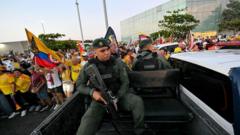
Colombia's Gang Violence Dominates Presidential Race
Colombia's presidential election has become a referendum on how the nation should address its escalating gang violence and internal conflict. The campaign has crystallized around two starkly different approaches: one rooted in dialogue and negotiation with armed groups, the other emphasizing security-focused solutions backed by international conservative figures.
The contest pits a left-leaning senator who advocates opening negotiations with criminal organizations against an outsider candidate who has secured endorsements from prominent Trump-aligned political circles. This ideological divide reflects deep divisions within Colombian society about the best path forward in addressing decades of violence.
The Progressive Candidate's Position on Armed Groups
The left-wing senatorial candidate has positioned himself as an advocate for dialogue-based approaches to Colombia's gang problem. His campaign emphasizes the need for structured negotiations with armed organizations operating throughout the country, arguing that military-only strategies have failed to eliminate the root causes of violence.
This approach represents a departure from traditional hard-line policies that have dominated Colombian security discourse for years. Supporters of this position contend that engaging with armed groups could open pathways to demobilization and reintegration of combatants. The senator's platform suggests that addressing poverty, lack of opportunity, and regional inequality might reduce recruitment into criminal organizations.
His vision includes social investment in conflict-affected areas alongside diplomatic initiatives with recognized armed groups. Proponents argue this comprehensive strategy could be more effective than purely enforcement-based responses in achieving lasting peace and reducing Colombia's gang-related violence.
The Trump-Backed Candidate's Security-First Approach
The opposing candidate, positioned as a political outsider, has garnered support from Trump administration figures and conservative international backers. This campaign emphasizes traditional security measures, increased law enforcement capabilities, and strengthened anti-gang operations across Colombian territory.
This candidate's platform focuses on combating organized crime through enhanced police presence, military operations, and cooperation with international law enforcement agencies. The Trump endorsement signals alignment with U.S. security-focused policies toward Latin America, emphasizing drug trafficking interdiction and gang suppression.
The outsider's message resonates with voters prioritizing immediate security improvements and skeptical of negotiations with criminal organizations. His campaign argues that dialogue with armed groups legitimizes criminal actors and undermines institutional authority.
The Role of Colombia's Internal Conflict in Campaign Strategy
Colombia's internal conflict has emerged as the defining electoral issue precisely because voters remain deeply divided on solutions. The nation continues experiencing violence from multiple armed groups, drug trafficking organizations, and criminal enterprises that operate across distinct regions.
Each candidate uses Colombia's gang violence statistics to support their respective positions. The left-wing senator emphasizes casualty figures and displacement statistics as evidence that traditional approaches have failed. The Trump-backed candidate counters that tough enforcement has reduced violence in targeted areas and that security must remain paramount.
International Dimensions and External Support
The presidential election reflects broader international alignment patterns. The Trump endorsement of the security-focused candidate indicates continuing U.S. interest in Colombia's approach to drug trafficking and organized crime. This external backing amplifies the outsider's platform and provides credibility among certain voter demographics.
Conversely, the left-wing senator's dialogue-based approach aligns with progressive international movements favoring conflict resolution and negotiated settlements. These contrasting international relationships shape campaign dynamics and voter perceptions of each candidate's viability and global standing.
Public Sentiment on Colombia's Gang Violence Crisis
Colombian voters face a stark choice about national direction regarding gang violence and internal conflict. Public opinion remains deeply fractured, with segments supporting both negotiation and security-focused strategies. Urban populations and business communities often favor security-first approaches, while rural and displacement-affected communities show greater openness to dialogue initiatives.
The presidential election will ultimately determine Colombia's official response to ongoing violence from armed groups and criminal organizations. This decision carries implications extending far beyond electoral politics, affecting millions of Colombians living in conflict zones and influencing regional stability throughout Latin America.


