
United States Halts HIV Program Funding in South Africa
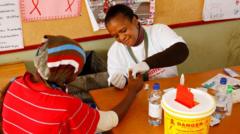
United States Announces End to HIV Program Funding in South Africa
The United States has announced a significant shift in its international health policy by deciding to halt funding for HIV program funding South Africa, a decision that carries substantial implications for one of the world's most severely affected nations. South Africa currently faces an unprecedented public health challenge, with more than eight million individuals living with HIV – representing the largest HIV-positive population of any single country globally.
The Scale of South Africa's HIV Crisis
Understanding the magnitude of South Africa's HIV epidemic is crucial to comprehending the potential impact of reduced international financial support. The country's HIV prevalence stands as a defining public health emergency, with approximately one in every five adults carrying the virus. This staggering statistic underscores why external funding has proven instrumental in sustaining prevention, treatment, and care programs across the nation.
The epidemiological landscape in South Africa reflects decades of complex social, economic, and healthcare challenges. Despite significant progress in expanding antiretroviral treatment access over the past two decades, the virus continues to claim lives and create new infections at alarming rates. The concentration of HIV cases in South Africa far exceeds that of any other country, making it a critical focal point for global health interventions.
Implications of Reduced US Financial Support
The termination of United States HIV support represents a consequential development for South African healthcare infrastructure. American funding has historically contributed to essential components of the nation's response, including diagnostic testing capabilities, treatment program administration, and community-based prevention initiatives. The withdrawal of these resources raises urgent questions about sustainability and continuity of care for millions of vulnerable populations.
Healthcare facilities throughout South Africa have grown dependent on international financing mechanisms. Many clinics, particularly in underserved rural and township areas, rely substantially on external support to maintain operations. The discontinuation of this funding creates potential gaps in service delivery that could have far-reaching consequences for patient outcomes and disease transmission rates.
Treatment Access and Healthcare Infrastructure
South Africa has made remarkable strides in expanding antiretroviral treatment access, establishing itself as a leader in HIV management within the African continent. Millions of patients currently receive life-saving medications through publicly funded programs. The withdrawal of American financial support threatens to undermine these achievements, potentially limiting the expansion of treatment programs and forcing difficult resource allocation decisions.
The antiretroviral treatment programs established in South Africa serve as models for other developing nations. These initiatives have demonstrated that comprehensive HIV care is achievable even in resource-constrained settings. Reduced funding could impair the nation's capacity to maintain current treatment provision levels and expand services to previously unreached populations.
Future Outlook and Challenges Ahead
South Africa now faces a pivotal moment in its public health trajectory. Government agencies and local health organizations must develop alternative funding strategies and explore new partnerships to compensate for lost American financial resources. This transition period will test the resilience of South Africa's healthcare system and its commitment to managing the world's largest HIV epidemic.
The decision by the United States fundamentally alters the international support landscape for HIV program funding South Africa. Stakeholders within the country are examining options for domestic revenue allocation, seeking alternative international partners, and potentially restructuring existing programs to maximize efficiency with available resources.
Broader Global Health Implications
This policy shift raises important questions about international responsibility in addressing global health emergencies. The withdrawal of support from a nation facing such extraordinary public health challenges may influence how other countries approach international health funding commitments. The consequences will likely extend beyond South Africa's borders, potentially affecting the broader global effort to control HIV transmission and achieve public health equity.
As South Africa navigates this transition, the world watches to understand how the nation will respond to this significant reduction in external support and what measures will be implemented to ensure continuity of care for its eight million HIV-positive citizens.


