
Israeli strikes target Gaza killing six people and Al Jazeera crew member
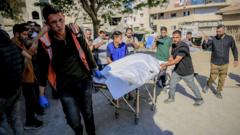
Israeli Military Operations Result in Multiple Casualties in Gaza
Recent Israeli strikes in Gaza have resulted in the deaths of six individuals, including a cameraman working for the international news organization Al Jazeera, according to statements from local officials and sources within the territory. The military operations, which represent a significant escalation in regional tensions, have drawn international attention and concern from media organizations and humanitarian groups operating in the conflict zone.
The casualties from these Israeli strikes have added to the mounting toll of the ongoing dispute in the region. Among those killed was Ahmed Wishah, identified as a crew member for Al Jazeera, raising concerns about press freedom and journalist safety during active military operations. The targeting of media personnel has sparked debates about civilian protection protocols and the distinction between combatants and non-combatants in contemporary conflict zones.
Military Claims and Accusations
The Israeli military has made specific allegations regarding Ahmed Wishah's activities and affiliations. According to military officials, Wishah was accused of serving as a "Hamas sniper operative," suggesting he held a combat role rather than performing purely journalistic duties. However, these accusations have been presented without accompanying evidence or documentation that could be independently verified by international observers or media organizations.
This assertion highlights the complex challenges of distinguishing between armed combatants and civilian workers in conflict areas, particularly when individuals may hold multiple roles or responsibilities. The military's characterization of Wishah's status remains contested, with Al Jazeera and international journalism advocacy groups questioning the validity of such claims without substantiating proof.
International Response and Concerns
The deaths resulting from Israeli strikes in Gaza have prompted responses from various international stakeholders, including human rights organizations, media freedom advocates, and diplomatic entities. The involvement of a foreign news organization's staff member has elevated the incident beyond a regional matter, drawing scrutiny from global media institutions and international bodies concerned with protecting journalists in conflict zones.
Press freedom organizations have expressed concern about the safety of journalists and media workers operating in Gaza, where active military operations create dangerous conditions for those attempting to document events and report on the situation to international audiences. The targeting of media personnel, whether intentional or incidental, raises serious questions about compliance with international humanitarian law and the protection of civilian journalists.
Ongoing Conflict Dynamics
These Israeli strikes represent the latest chapter in the prolonged conflict between Israeli forces and armed groups operating within Gaza. The military operations continue to result in civilian and non-civilian casualties, contributing to the humanitarian challenges faced by the population and international organizations providing assistance in the region.
The incident involving Al Jazeera's cameraman underscores the difficult circumstances under which international journalists attempt to maintain coverage of events in Gaza. News organizations face the constant challenge of deploying personnel to report on significant developments while managing the inherent risks associated with active military operations and the unpredictable nature of modern conflict zones.
Questions About Evidence and Accountability
The absence of publicly available evidence to support the military's characterization of Wishah's alleged role has led to questions about transparency and accountability in military operations. International norms and standards for armed conflict typically require that civilian casualties be minimized and that distinctions between combatants and non-combatants be maintained and documented.
The presentation of claims without corroborating evidence has drawn criticism from international observers who emphasize the importance of accountability mechanisms and transparent investigations into military operations that result in civilian deaths. These debates continue to inform discussions about the conduct of hostilities and the protection of civilian populations during extended conflicts.


