Free Speech Protection Shapes Voter Choices in Election
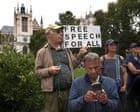
Free Speech Protection Emerges as Electoral Priority
A significant polling study demonstrates that free speech protection has become a decisive factor for British voters considering their electoral choices. The research, commissioned by the prominent human rights organization Liberty and conducted by More in Common, reveals substantial public concern about government handling of free speech issues and their potential impact on how citizens will cast their ballots at the forthcoming general election.
The survey findings indicate that three out of five respondents stated their voting decisions would be directly influenced by a political party's position on free speech matters. This striking figure underscores the widespread recognition among the electorate that free speech protection represents more than an abstract principle—it constitutes a tangible policy concern that will shape parliamentary representation and governance priorities.
Public Perception of Current Government Approach
Citizens have expressed considerable dissatisfaction with the administration's current stance regarding free speech protection. The polling data suggests that many voters perceive the government's recent policies and legislative approaches as detrimental to Britain's democratic traditions and civil liberties framework. This negative assessment of free speech protection efforts presents a potential vulnerability for the ruling party heading into electoral contests.
The disconnect between government actions on free speech protection and public expectations reflects deeper concerns about democratic accountability. Voters are increasingly scrutinizing how political leaders balance security considerations, social harmony, and individual rights. The polling demonstrates that citizens do not view free speech protection as a secondary concern but rather as a fundamental element of good governance.
Electoral Implications and Political Risk
Liberty's analysis of the polling results suggests that Labour's approach to free speech protection could significantly impact its electoral prospects. The human rights organization argues that the party's current position and legislative record on free speech matters may alienate voters who prioritize these constitutional protections. As campaigns intensify and voters evaluate party platforms, free speech protection positions will likely receive increased attention and scrutiny.
This electoral dynamic reflects broader shifts in voter priorities. Traditional concerns about economic management and public services remain important, yet civil liberties and democratic protections have gained prominence in voter consciousness. Political parties must now address free speech protection explicitly in their campaign messaging and policy proposals to resonate with electorates increasingly focused on these fundamental rights.
Why Free Speech Protection Matters to Voters
The polling results highlight why free speech protection resonates so powerfully with British citizens. Democratic societies depend on robust protection of expression rights, allowing citizens to participate meaningfully in political discourse and hold authorities accountable. When governments appear to restrict free speech protection or implement policies perceived as limiting expression, voters naturally question whether their democratic voices remain adequately protected.
Concerns about free speech protection extend across demographic groups and political affiliations. The widespread nature of these concerns suggests they reflect genuine anxieties about the direction of British democracy rather than partisan grievances. Voters want assurance that free speech protection remains central to national values and legal frameworks.
Looking Ahead: The Election Landscape
As the general election approaches, free speech protection will undoubtedly feature in political debates and campaign discussions. Parties seeking to attract voters must articulate clear, compelling positions on how they will defend free speech protection while addressing legitimate security and social concerns. Liberty's polling evidence suggests that voters are paying attention to these positions and will make electoral decisions accordingly.
The prominence of free speech protection in electoral considerations reflects healthy democratic engagement. When citizens prioritize fundamental rights like free speech protection in their voting calculus, they signal commitment to preserving democratic institutions and constitutional protections. Political leaders who dismiss these voter concerns about free speech protection do so at their electoral peril.